

Supplements/Ergogenic Aids

Iodine Deficiency and Fecundity
Researchers have observed a drop in fecundity, the probability of becoming pregnant in a menstrual cycle, among women with iodine deficiency.
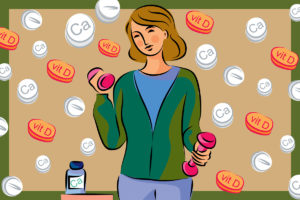
Supplements for Vegan Women
There may be good reason to use supplements for vegan women: white vegan women close to menopause have a 55% greater risk for hip fracture.
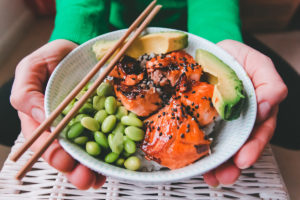
Omega-3 for Migraines
If the thought of dinner tonight gives you a piercing headache, consider searing up some salmon to get some omega-3 for migraines.

Sugar in Baby Formula Causes Weight Gain
Some mothers turn to bottled formulas to nourish their children. But added sugar in baby formula—like corn syrup—can lead to weight gain.

Sports Drink Color Affects Performance
Turns out that even the color of sports drinks may enhance feelings of refreshment and revival, increasing exercise performance.

Is Insect Protein Effective?
A study in The American Journal of Clinical Nutrition shows that insect protein can be just as effective as milk protein for building muscle.
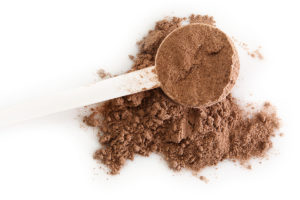
Pig’s Blood for Protein?
Food scientists have devised a way to produce a flavorless protein powder from pig’s blood, a byproduct of pork meat production.
Sports Supplements Changing Athlete Attitudes
Depending on the sport and level of competition, 40%–100% of athletes use sports supplements, such as creatine and certain stimulants.
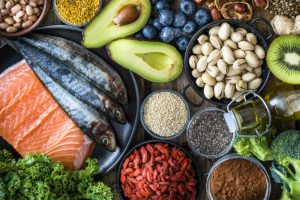
Mega Heart-Healthy Fat
Heart disease remains the leading cause of death in America, but omega-3 fatty acids can help, according to a review on cardiovascular disease prevention.

Vote Citrus for More Muscle
A study published in The Journal of Nutrition found that adults with the highest levels of vitamin C had more skeletal muscle growth.

A Feel-Good Pill to Swallow
It’s possible that the benefits of multivitamins can be chalked up to the placebo effect, according to a study in BMJ Open.

The New Protein Math
If you’re working with clients who are pumping iron to build muscle, be sure they have plenty of protein on their plates.

Is There a D-fence Against COVID-19?
More science is needed, but being deficient in vitamin D may make someone more likely to experience serious health complications if infected with COVID-19.
Magnificent Magnesium
How much do you think about magnesium?
Chances are, you and your clients don’t give this marvelous mineral the credit it deserves. Name the bodily function, and chances are pretty good that magnesium is somehow involved. It plays a role in a diverse group of over 300 biochemical reactions in the body, including a number of them specific to physical activity: protein synthesis, muscle and nerve function, energy production, oxygen uptake and electrolyte balance. It’s also involved in blood glucose control, blood pressure regulation, structural bone development, normal heart rhythm and more (ODS 2019).

Caffeine—An Equal Opportunity Ergogenic Aid
Caffeine is known to increase performance when taken before endurance activities, but more than 80% of studies have focused on men. A recent randomized, double-blind, crossover study out of Queensland, Australia, aimed to determine whether or not gender affects ergogenic responses to caffeine.

Higher Vitamin D Levels Linked To Better Fitness
There’s another reason to make sure you’re getting enough of the sunshine vitamin: High levels of vitamin D in the blood are now linked with better fitness, according to research from the Virginia Commonwealth University School of Medicine.

Higher Vitamin D Levels Linked To Better Fitness
There’s another reason to make sure you’re getting enough of the sunshine vitamin: High levels of vitamin D in the blood are now linked with better fitness, according to research from the Virginia Commonwealth University School of Medicine. In the study, published in the European Journal of Preventive Cardiology, 20- to 49-year-olds with better vitamin D status also tended to have greater cardiorespiratory fitness, a measure of aerobic fitness often determined by measuring maximal oxygen consumption (VO2max) during exertion.

Something’s Fishy With Fish Oil
Don’t like fish? Well, you might not be able to turn to the supplement aisle to get the same benefits for your heart. A Cochrane report exploring 79 randomized trials of more than 112,000 adults (both with and without heart disease) showed that increasing omega-3 intake, mainly from fish oil pills taken for at least 1 year, did not significantly prevent heart attacks, strokes or deaths in general.
Food, Not Pills
Count this as more proof that we shouldn’t rely on pills and powders to make up for dietary shortfalls.

Belly Fat vs. Vitamin D
Here’s another good reason for people to reduce their Buddha-bellies: improving their vitamin D status. According to data presented at the 2018 European Society of Endocrinology’s annual meeting in Barcelona, Spain, researchers from the Netherlands found that more body fat around adults’ waistline is associated with lower vitamin D levels. Beyond raising the risk of weak bones, poor vitamin D status could set the stage for other health issues, including heart disease and compromised immunity.