

Safety

Chemicals in Fast Food
Americans’ fast food intake exposes them to high amounts of saturated fat, sodium and sugar, but also to harmful chemicals in fast food.
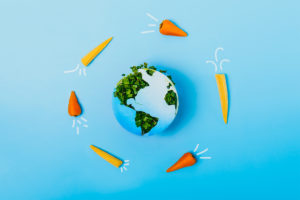
Reducing Our Food-Related Carbon Footprint
Researchers say these three changes can help Americans reduce the carbon footprint of their food purchases—without big dietary changes.

Supplements for Vegan Women
There may be good reason to use supplements for vegan women: white vegan women close to menopause have a 55% greater risk for hip fracture.

Vegetable Oils and Inflammation
Scientists suggest that vegetable oils can raise inflammation levels in the body and raise the risk for certain health conditions.
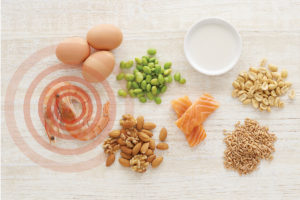
Understanding Food Allergy, Intolerance and Sensitivity
Help meet your client questions with a basic understanding of what distinguishes food allergies from intolerances and sensitivities.

Peanut Allergy Prevention
Data shows that about 46 million U.S. adults have a peanut allergy. Research suggests that earlier exposure may help curb a later allergy.

The Dirty Dozen Fruits and Vegetables
Strawberries lead the Environmental Working Group’s Dirty Dozen fruit that contain the highest levels of pesticides from crop spraying.

Caffeine and Pregnancy Outcomes
Research analysis finds associations between caffeine and pregnancy outcomes like miscarriage, stillbirth, low birth weight and preterm birth.
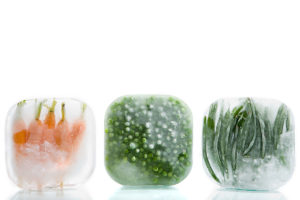
Handling Frozen Food Safely
Research from the USDA suggests that many home cooks may not know how to handle frozen foods properly, which can elevate the risk for foodborne illness.

Fructose and Glucose Health Hazards
Consuming the high-fructose corn syrup appears to be linked to heart disease risk, mainly because it contains both fructose and glucose.

Arsenic in Rice
Rice is a staple for millions of people, but the grainy dark side is that it often contains arsenic, a carcinogen that contributes to health problems.
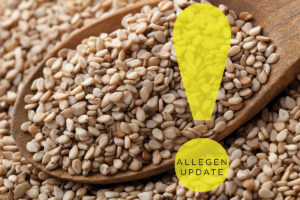
The Big 8 Food Allergens May Become 9
The U.S. Food and Drug Administration has announced that manufacturers should voluntarily declare sesame an allergen ingredient on food labels.

Fishing for Plastic?
A team of researchers in Australia tested seafood purchased from a market in Australia and found every sample contained traces of microplastics.

Galaxy Greens
Lettuce grown on the international space station retained most of its nutritional value, including its antioxidant levels.

There’s Trouble Brewing with Microplastics in Tea
In recent years, plenty of research has shown that a daily tea habit can have some steep health benefits. But if you dunk tea bags in steamy water, you may be drinking microplastics with your brew, say researchers at Quebec’s McGill University. They found that steeping tea bags made with plastic (yes, surprise, many bags are made from plastics like polyethylene terephthalate) at a brewing temperature of 203 degrees Fahrenheit released 11.6 billion microplastics and 3.1 billion nanoplastics into a single cup of tea.
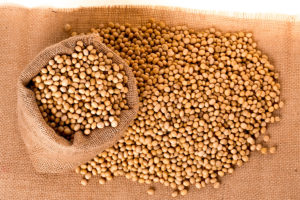
Soybean Oil Contributes to Neurological Disease
According to a study in Endocrinology, soybean oil may cause genetic changes that lead to neurological conditions such as autism, Alzheimer’s disease, anxiety and depression. Researchers compared mice that were…

March 2020 Question of the Month: Is Red Meat No Longer the Enemy?
For years, nutrition and health experts have been telling us to cut back on our intake of red meat. Now, a controversial new analysis says this advice was largely unwarranted.

You Should Be Chicken to Wash Chicken
Many home cooks believe you need to wash poultry, but an observational study from the U.S. Department of Agriculture (USDA) found that 60% of people who rinsed raw chicken before cooking had potentially harmful bacteria left in their sinks afterward, and 14% had bacteria lingering in the sink even after cleaning it. Perhaps even more worrisome: More than 26% of study participants transferred bacteria from their cleaned bird to nearby lettuce. The USDA says the best practice is not to wash poultry prior to cooking, but instead to make sure you cook the meat to an internal temperature of 165 degrees Fahrenheit, which will knock out dangerous bugs.
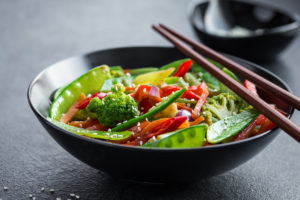
5 Big Benefits of Plant-Based Diets
People can get caught up in the details of paleo, ketogenic and gluten-free diets, but one of the most buzzworthy eating styles at the moment is also super simple. It’s the plant-based diet—one that places less emphasis on animal-based foods and more on dishes derived from the plant kingdom.

What’s the Caffeine Cutoff for Migraines?
For people prone to “throbbing brain pain,” it may be smart to go easy on the coffee.