

Nutrients

Fruit Lowers Risk of Diabetes
Eating two daily servings of whole fruit lowers risk of diabetes by 36% compared to eating less than half a serving, according to a study.

Coffee and Heart Health
Pour on the good news about coffee and heart health! One to three cups of black caffeinated coffee a day may reduce the risk of heart failure.

5 Servings of Fruits and Vegetables
A study found that the long-standing public health message of “5 A Day”—5 servings of fruit and vegetables—is worth embracing.
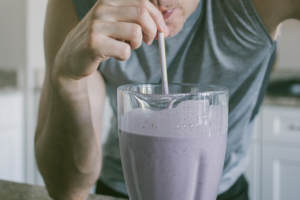
Protein and Muscle
When it comes to protein and muscle, we don’t need to garnish chicken breast with meatballs to get enough protein to build lean body mass.

What to Look for in Seafood Nutrition
Fish can be a healthy meal choice, but if you’re ordering seafood, there can be troubled waters ahead when it comes to seafood nutrition.

Antioxidants for Depression
Perhaps a way to “color yourself happy” lies in the not-yet-trendy high polyphenol diet that contain antioxidants for depression symptoms.
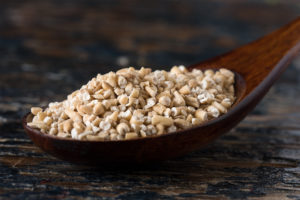
Does Oatmeal Raise Blood Sugar?
Millions of Americans spoon up oatmeal for breakfast. It seems oatmeal does raise blood sugar but the effects depend on the type of oat.
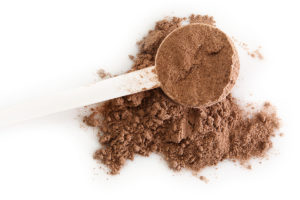
Pig’s Blood for Protein?
Food scientists have devised a way to produce a flavorless protein powder from pig’s blood, a byproduct of pork meat production.

Beta-Carotene for Vitamin A
Beta-carotene is found in certain fruits and vegetables and our bodies can convert the beta-carotene we consume into vitamin A.

Vitamin D Benefits Hearing
Achieving an adequate status of vitamin D benefits hearing by playing a key role in preventing hearing loss as we age.

Caffeine and Pregnancy Outcomes
Research analysis finds associations between caffeine and pregnancy outcomes like miscarriage, stillbirth, low birth weight and preterm birth.

Recommended Vegetable Intake for Teens
According to an analysis by the CDC, only 2% of high school students in the U.S. are meeting the recommended vegetable intake.

Carbs and Protein for Exercise Recovery
Evidence suggests that co-ingesting carbohydrate and protein after exercise may stimulate greater glycogen synthesis during exercise recovery.

Fiber Fights Depression
A high-fiber diet has been linked to a range of health benefits. Now we can add mental health to the list, as fiber and depression are connected.

Breastmilk Benefits
Breastfeeding has long played a vital role in child development. We now have evidence for breastmilk benefits, like keeping infants in a healthy weight range.

Sucrose, Glucose and Metabolism
The type of sugar we choose may influence how hungry we feel. A recent study shed light on the different effects of sucrose and glucose on our metabolism.
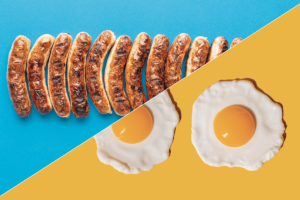
Alternatives for Red Meat
Eating red meat every day can increase your chances for poor health. Luckily, alternatives for red meat can lower that risk.

Fructose and Glucose Health Hazards
Consuming the high-fructose corn syrup appears to be linked to heart disease risk, mainly because it contains both fructose and glucose.
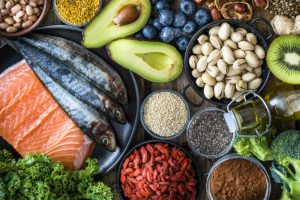
Mega Heart-Healthy Fat
Heart disease remains the leading cause of death in America, but omega-3 fatty acids can help, according to a review on cardiovascular disease prevention.

Vote Citrus for More Muscle
A study published in The Journal of Nutrition found that adults with the highest levels of vitamin C had more skeletal muscle growth.