

Special Populations

Soda Tax: Drink Pop, Pay More
Love sodas or loathe them, it’s becoming harder to ignore the impact that a “soda tax” can have on consumption rates. A tax of 1.5 cents per ounce of sugary drinks sold in Philadelphia, implemented in 2017, resulted in a 51% drop in sales compared with the previous year, although that figure was partially offset by a rise in sales in neighboring no-tax towns, according to research published in JAMA.
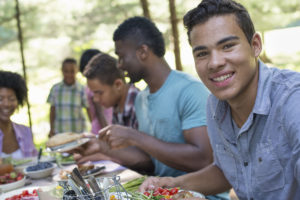
Teen Rebels Turn Away From Junk Food
We’ve long known that junk food marketing shapes the way our youth eat. After all, on any given day teenagers are exposed to a lot more advertisements for candy bars and soda than, say, cauliflower. Such is the power of food marketing on the growing brain. Now, a study in the April 2019 issue of Nature Human Behaviour has found that tapping into the rebellious inclinations of teenagers may get them to eat more salads.

Having the Bone Health Talk With Clients
Clients may ask you about calories or how to “tone,” but how often do they ask questions about bone health and osteoporosis? If clients aren’t asking these questions, they should: 54 million adult Americans are at risk of breaking a bone (NOF 2019a). You probably already know that people who have osteoporosis should do weight-bearing exercises to slow the degradation and ease the effects. However, most people are given no more explanation than that. You may be in a position to offer answers to some of your clients’ questions.

Switching to Poultry From Red Meat May Reduce Breast Cancer Risk
A new study on meat consumption among women suggests that eating red meat raises the risk of breast cancer, whereas eating poultry is linked to a lower risk of the disease. The findings were published online August 6 in the International Journal of Cancer.
Investigators analyzed information on meat consumption and cooking practices among 42,012 women, who were followed for an average of 7.6 years.

Increase Neuromuscular Power for Your Athlete Clients
Competitive athletes often train for peak neuromuscular power to excel at the complex movements their sports require. Many personal training clients want to apply the same principle to their favorite sports.
With the right power training, fitness competitors can improve their tennis serve, golf swing, running speed, volleyball spike, soccer performance, basketball vertical jump and so on.

2019 IDEA® World Convention: Igniting Passion With Purpose!
Purpose, passion and people! The fitness industry is all about forging relationships that lift others up. Fitness professionals have energy to spare, and they are dedicated to mentoring new generations of pros, networking with peers, and motivating clients and participants every day.

Indoor Cycling: Safe for Prenatal?
You’re helping participants get set up on their bikes in your 6 p.m. cycling class when someone taps you lightly on the shoulder: Is it okay to ride if she’s pregnant? To your knowledge, you’ve never had a pregnant participant in class, and you don’t know how to respond.

Women Need Protein, Too
For years we’ve heard that people who regularly lift weights can benefit from eating higher amounts of protein than the general population. There’s just one glaring problem. Most of the research behind this advice was conducted on men, with little focus on women. Now, a study in the April 2019 issue of Medicine & Science in Sports & Exercise has shed light on the specific protein needs of this understudied demographic.

Evening Cardio Training and Hypertension
In another clinical trial examining the impact of time of day on training effects, researchers found that cycling at moderate intensity for 45 minutes three times per week in the evening decreased clinical and ambulatory blood pressure in 50 middle-aged sedentary men with hypertension more than either morning training or stretching (the control group).
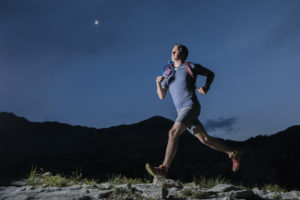
Evening HIIT and Sleep
The time of day your male clients train may affect their appetite and performance.

Cycling Workstations and Productivity
Your clients likely include deskbound workers who feel they can’t exercise. Well, maybe they can! A recent research review found that cycling as you work at your desk may be a good way to avoid the hazards of office inactivity while simultaneously improving productivity.

Can Digital Multitasking Increase Overeating?
You may want to review your digital device usage. New research shows that people who mindlessly switch between a smartphone and a tablet or other digital devices are likely to have an increased susceptibility to food temptations and lack of self-control, potentially leading to weight gain. Researchers from three American universities conducted the inquiry to examine whether links exist between obesity and use of digital devices.
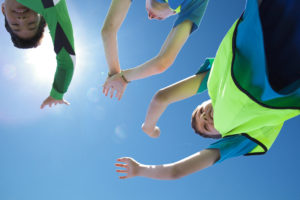
Playing Team Sports Fights Depression in Boys
Participation in team sports not only helps children improve fitness and social skills; it’s also linked with development of the hippocampus region of the brain, according to research published in Biological Psychiatry: Cognitive Neuroscience and Neuroimaging (2019; doi:10.1016/j.bpsc.2019.01.011). In adults, lower hippocampal volume has been associated with depression for some time.
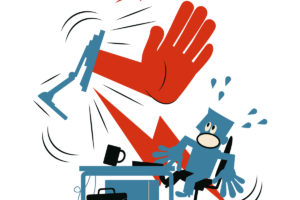
Prolonged Sitting May Undo Exercise Benefits
Here’s some less-than-good news for your weekend warrior clients. New findings from a small study suggest that sitting throughout the day may alter the typical metabolic benefits of a bout of exercise. Whether sitting for endless hours daily is hazardous to our health because we’re not exercising or whether the health risks of sitting may be counteracted by exercise are questions to which scientists continue to tease out answers. University of Texas at Austin researchers designed a study to shed some light.

Walking Benefits Older Adults With Arthritis
People with osteoarthritis who walk briskly as little as 1 hour per week can significantly increase their odds of remaining functionally independent. Northwestern University researchers in Chicago examined more than 4 years of data from more than 1,500 adults—age 49 or older—who had arthritis but no disability. Their activity levels varied. Activity data analysis showed that people who did 1 hour of moderate-to-vigorous activity per week had a higher probability of remaining free from disability than those who exercised less.
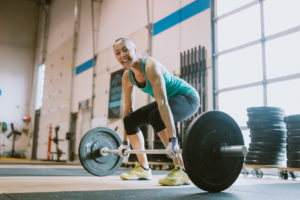
Power Training vs. Strength Training for Older Adults
For maintaining functional ability—and potentially even for living longer—growing research
supports the benefits of power training, particularly as we age. Power is the ability to move weight with speed and to generate force and velocity with coordinated movement.

The Weight Debate: Obesity and Health Risks
Think of it as the point-counterpoint discussion on obesity: Is the healthcare profession overemphasizing the negative consequences of extra weight? What are the risks? Is the focus on obesity helping or hurting our clients?

The Science of Pilates Research
When Victor Sanakai was playing tennis for the Auburn University Montgomery National Championship team, he thought he was going to need rotator cuff surgery. But first he sought the advice of Michele Olson, PhD, a Pilates researcher who works with student athletes.
Olson, a senior clinical professor of sport science at Huntingdon College in Montgomery, Alabama, suggested Sanakai try Pilates exercises for the shoulders, upper back and abdominals.

Exercise Linked to Longer Life
Keeping physically active or becoming more active during middle and older age is associated with a lower risk of death, regardless of past activity levels or existing health conditions, suggests a large United Kingdom study published in the June 26 issue of The BMJ.

Reaching Millennial Moms
Are you leaning into the rise of millennial moms? These women are part of a generation that’s expected, as of this year, to surpass baby boomers as the nation’s largest age demographic. The 83 million 17- to 36-year-old “millennial” men and women in the United States—combined with Generation Xers—account for 80% of the fitness dollars spent in clubs (Lexington Law 2019; Les Mills 2017). Already fitness consumers, millennial women are becoming mothers.