

Inspired
Article Archive

Wearable devices are moving toward providing real-time feedback during training rather than post-session summaries. Features such as pacing alerts, recovery prompts and adaptive recommendations are becoming more common. This shift reflects a move from passive tracking to more interactive guidance. For clients, this can improve awareness and help regulate effort during sessions. For coaches, it…

Caffeine is commonly used to enhance performance, particularly in endurance and high-intensity training. While it can improve alertness and reduce perceived effort, habitual use may reduce its effectiveness over time. This raises questions about how often it should be used. Some athletes reserve caffeine for key sessions or competitions to maintain its impact. Others use…

Plant-based diets continue to gain popularity, raising questions about protein quality and adequacy. While plant proteins can support muscle maintenance and growth, they may require more careful planning to ensure sufficient intake of essential amino acids. Combining different protein sources and increasing total intake can help address these concerns. For many clients, this is less…

Sodium needs can vary widely, particularly among individuals who sweat heavily or train in hot environments. While general guidelines often emphasize limiting sodium intake, athletes and active individuals may require more to maintain fluid balance. Failing to replace sodium losses can contribute to fatigue, cramping and decreased performance. At the same time, excessive intake without…

Intermittent fasting remains a popular dietary approach, often used for weight management and metabolic health. However, its interaction with training is less clear. Some individuals report improved adherence, while others experience reduced energy during workouts. Training quality may be influenced by timing, especially for higher-intensity sessions. Clients may need to align eating windows with training…

Creatine is widely recognized for its role in improving strength and power, but emerging research suggests broader applications. Studies have explored its potential benefits for cognitive function, recovery and even mood. This expands its relevance beyond traditional strength-focused populations. While these findings are promising, they are still developing. Dosage, population and context all influence outcomes.…

Interest in gut health continues to grow, with fiber intake playing a central role. Dietary fiber supports a diverse microbiome, which may influence digestion, immune function and metabolic health. Despite this, many individuals consume less fiber than recommended. Increasing intake can be beneficial, but sudden changes may cause gastrointestinal discomfort. Gradual adjustments and attention to…

Low energy availability is often associated with elite athletes, but it can also affect general fitness populations. Clients who are dieting, increasing training volume or managing high stress levels may unintentionally underfuel. This can impact recovery, hormonal balance and long-term progress. Because the signs are often subtle, the issue may go unnoticed. Coaches may need…

Hydration guidelines often provide general recommendations, but individual needs can vary significantly. Sweat rate, climate, body size and exercise intensity all influence fluid requirements. As a result, fixed intake targets may not be appropriate for every client. Practical strategies such as monitoring body weight changes, urine color and thirst can help individuals adjust intake more…

Ultra-processed foods now make up a large portion of many diets, including among active individuals. While convenient, these foods are often lower in micronutrients and may impact satiety and energy regulation. For clients focused on performance, this raises questions about how food quality influences not just body composition but also recovery and consistency. Eliminating these…

For years, protein timing has been emphasized as a key factor in muscle growth, particularly around the post-exercise “anabolic window.” More recent research suggests that total daily protein intake is a more important driver of adaptation for most individuals. While spreading protein across meals may support muscle protein synthesis, the urgency of immediate intake appears…

Recovery is no longer positioned as an add-on. Many fitness facilities are now integrating recovery services directly into their offerings, from guided mobility sessions to access to recovery tools and spaces. This reflects a broader shift toward viewing recovery as part of the training process rather than something separate from it. For fitness professionals, this…

Artificial intelligence is increasingly being integrated into fitness platforms, combining data from wearables, apps and training logs to generate recommendations. These systems aim to personalize programming, adjust training loads and provide real-time feedback. As these tools evolve, they are beginning to influence how both clients and coaches interact with training data. While AI-driven insights can…

Recent research suggests that even brief post-exercise recovery interventions may influence next-day performance markers. Low-intensity cycling, mobility work and similar strategies have been shown to support circulation and reduce perceived soreness when applied consistently. These findings challenge the idea that recovery must be time-intensive to be effective. For fitness professionals, this reinforces the value of…

Velocity-based training, once limited to high-performance environments, is becoming more accessible through new technology and coaching platforms. By measuring bar speed during lifts, this method provides real-time feedback on effort, fatigue and readiness. It offers an alternative to percentage-based programming, particularly when daily capacity fluctuates. As the technology becomes more widely available, more coaches are…

The fitness industry continues to move toward hybrid coaching models that combine in-person sessions with digital programming and remote support. Advances in app-based platforms and communication tools have made it easier for coaches to deliver structured training outside of the gym. This approach allows for greater flexibility while maintaining continuity in programming. For clients, hybrid…
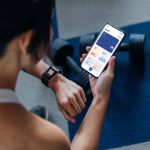
Despite rapid improvements, consumer fitness trackers continue to show variability when compared to clinical-grade measurement tools. Research highlights discrepancies in areas such as calorie expenditure, sleep staging and recovery metrics. While these devices provide useful trends, their precision can vary depending on the metric being measured and the individual using them. This gap matters when…

Heart rate variability (HRV) continues to gain traction as a recovery and readiness metric, particularly among recreational athletes. Wearables now make HRV accessible to a broad audience, often presenting it as a daily indicator of whether to train hard or recover. While the concept is grounded in physiology, experts emphasize that day-to-day fluctuations are difficult…
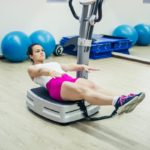
Recovery tools are evolving from devices that monitor data to systems that attempt to influence recovery directly. New products combine compression, heat, light exposure and guided protocols designed to improve circulation and reduce perceived fatigue. This shift reflects growing consumer demand for tools that do more than track metrics, positioning recovery as an active part…

Wearable technology is beginning to move beyond step counts and heart rate tracking into resistance training. New devices entering the market aim to measure repetitions, tempo, range of motion and even fatigue during strength sessions. This represents a shift toward quantifying aspects of training that have traditionally relied on coaching observation rather than data. For…