

People With Overweight/Obesity

Mindfulness Meditation Program Combines Science With Practice
I’ve been teaching a program in mindfulness meditation for UCLA’s Mindful Awareness Research Center to about 25 people a quarter for the last year [at The Fitness Center at Toluca…
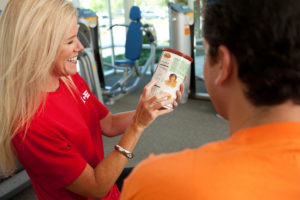
Meet People Where They Are
Melinda Manore is a professor in the department of nutrition and exercise sciences at Oregon State University. Her areas of expertise include integration of nutrition and physical activity for weight management, and prevention of chronic disease. Aside from authoring more than 100 scientific publications, book chapters and review articles, Manore has written four nutrition textbooks and two books for the Institute of Medicine’s Committee on Military Nutrition Research. Throughout her career, she has served on a number of nutrition and exercise editorial boards.

Overweight and Obese Women Should Scale Back Weight Gain During Pregnancy
The American College of Obstetricians and Gynecologists has come out with recommendations for weight gain during pregnancy based on the mother’s body mass index and on updated tables from the…

Conquering the “Obesogenic” Environment
Barbara Brehm-Curtis is a professor of exercise and sport studies at Smith College in Northampton, Massachusetts, where she teaches courses in stress management, nutrition and health. Aside from writing about health- and fitness-related topics for more than 25 years, she has worked as a fitness instructor, personal trainer, lifestyle coach and fitness program director. She has received the San Diego County Medical Society Media Award and was a Maggie Award finalist for regular columns in Fitness Management, where she served as a contributing editor.
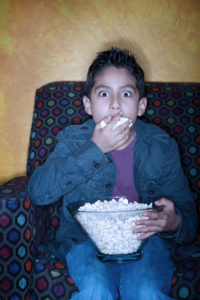
Obese Children More Vulnerable to Food Advertising
When viewing food logos, obese children show less activity in regions of the brain associated with self-control than do their healthy-weight counterparts, reports The Journal of Pediatrics.
Researchers from the University of Missouri, Kansas City, and the University of Kansas Medical Center tested youth aged 10–14, using both self-reported measures of self-control and functional magnetic resonance imaging, which tracks blood flow as a measure of brain activity.
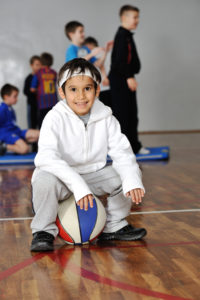
2012 Shape of the Nation Report
With health threats from overweight and obesity still looming, physical activity in schools continues to be a hot button. How do U.S. children rank when it comes to physical education and exercise? Here are some highlights from the 2012 Shape of the Nation Report: Status of Physical Education in the USA:
14% of students did not participate in at least 60minutes of physical activity on any day during the 7 days before the survey.
71% of students were physically active at least 60 minutes per day on fewer than 7 days during the 7 days before the survey.

Overweight, Obesity, Triples in Armed Forces
Serving in the U.S. Armed Forces is physically demanding, and military leaders have developed measures to ensure recruits are “mission-ready.” Unfortunately, a significant number of both first-time applicants and active military personnel do not meet this standard.

Physicians Unqualified to Treat Obesity
Perhaps it’s time fitness professionals schooled physicians on how to solve the obesity problem. According to researchers from Johns Hopkins University, a significant percentage of polled primary-care physicians don’t feel qualified and educated enough to treat obesity.
The study, published in BMJ Open (2012; 2: e001871), included Internet survey data from 500 PCPs throughout the United States.
“We evaluated physician perspectives on the following topics:

Fewer, Larger Meals May Be Healthier Option for Obese Women
It may sound counterintuitive, yet new research from the University of Missouri, Columbia, suggests that eating fewer, larger meals may prove healthier for obese women than eating smaller meals more often. More specifically, consuming three substantial meals per day instead of six small meals may decrease obese women’s risk of developing heart disease.

Conquering the “Obesogenic” Environment
Barbara Brehm-Curtis is a professor of exercise and sport studies at Smith College in Northampton, Massachusetts, where she teaches courses in stress management, nutrition and health. Aside from writing about…

The Biggest Loser Watchers Avoid Exercise
The Biggest Loser may hope to offer up big inspiration for its millions of viewers. But that inspiration doesn’t extend beyond the couch. A recent study suggests that the reality television program actually turns viewers off to exercise.

Kids’ Sleep, Obesity and Electronic Devices
The rates of overweight and obesity among kids continue to climb. Food choices and inactivity are considered major culprits. Are electronic devices also to blame?
Scientists from the School of Public Health at the University of Alberta have linked use of electronic devices, poor sleep patterns and obesity among Canadian 5th graders. The researchers surveyed sleep habits, food intake, physical activity levels, height and weight measurements, and nighttime use of electronic devices among 3,398 children.

Prevention Is the Best Policy for Kids’ Obesity
Avery Faigenbaum, EdD, is a professor in the department of health and exercise science at The College of New Jersey. With a specialty in pediatric exercise science, he has authored…

Clinically Severe Obesity Rates Climb
Clinically severe, or morbid, obesity entails being 100 or more pounds overweight. A recent report suggests that rates of morbid obesity have been rising faster than those of moderate obesity.

Kids’ Fitness Interventions Failing
Childhood obesity, inactivity and poor food choices are taking a toll on today’s youth. In some cases, structured exercise is encouraged for weight management. Unfortunately, this approach doesn’t seem to be working.

Preadolescents, Obesity and Exercise
Preadolescence is a time of major change and growth, bringing psychological, physical and social shifts for boys and girls alike. Caught between the carefree days of childhood and the first throes of being a teenager, “tweens” (roughly aged 9–12) are a force to be reckoned with. Like many other populations, preadolescents are suffering from lack of exercise, which threatens to chart a course toward obesity and disease.
Education Is Key in Eradicating the Obesity Epidemic
Robyn Stuhr is the sports medicine program director at UC San Diego Health System’s department of orthopaedic surgery. She also serves as an American Council on Exercise (ACE) subject-matter expert and media spokesperson.
Friends’ Impact on Weight Loss
Friends may have our backs, but their health and fitness habits can literally shape our backsides. How do friends help—or hurt—your healthy habits? Learn more from Martina M. Cartwright, PhD, RD, adjunct faculty member at the University of Arizona, independent biomedical consultant, author and nutrition counselor in Scottsdale, Arizona.
A New Approach to Nutrition and Obesity Research
People are profoundly tuned in to the fact that obesity and all the chronic disease that goes with it are plaguing much of the world. But, why, with such hyperawareness plus so many research developments on the nutrition and obesity fronts, do we still seem to be getting fatter and sicker?

Modeling Lifelong Healthy Habits for Kids
Dr. Muth is a pediatrician, registered dietitian and board-certified specialist in sports dietetics (CSSD). Muth also serves as an ACE Senior Fitness Consultant and subject matter expert, regularly contributing to ACE blogs and to the ACE Certified News monthly newsletter. Her first book, Eat Your Vegetables and Other Mistakes Parents Make: Redefining How to Raise Healthy Eaters, was published by Healthy Learning in May 2012.
ACE: As a registered dietitian and pediatrician, what would you say is the biggest challenge we face in overcoming the obesity epidemic?