Functional Aging/Older Adults
How to Lose Weight Without Losing Bone
Wearing a weighted vest may help older adults to successfully lose weight while protecting bone quality and density.
Solutions for Age-Related Decline
Slowing typically begins after age 62 with a decrease in walking speed. The good news is that the right kind of exercise can help slow these declines.
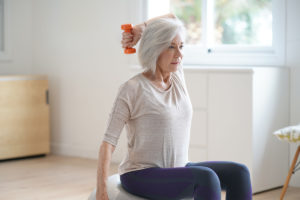
Unstable Resistance Training Benefits Older Adults
Another study exploring the cognitive benefits of exercise affirms the positive effects of unstable resistance training.
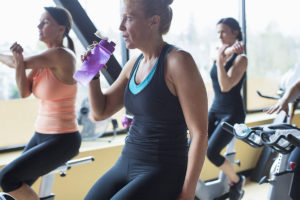
Exercise and Longevity for Women
A new study further supports the benefits of maintaining cardiovascular fitness during middle-age and beyond. In a study presented at the European Society of Cardiology’s EuroEcho 2019 meeting in Vienna, high cardiovascular fitness was linked with significantly lower death risks from heart disease, cancer and other causes for middle-aged and older women.

Training Loads for Women Over 40
Personal trainers often have female clients over the age of 40 who have similar complaints about losing muscle mass and gaining body fat. Although these changes aren’t unexpected and can be a normal part of the aging process, they are not inevitable. In fact, the right resistance-training program can positively affect body composition by reducing fat, maintaining and building muscle, and increasing strength in this population.
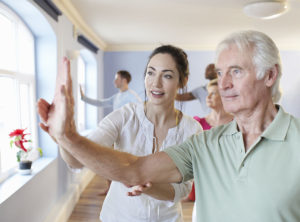
Personalized Tai Chi
Are customized routines really better than a standard protocol? One recent study posed this question in reference to tai chi: Is it better to offer a standard tai chi sequence or to individualize moves to a person’s needs?
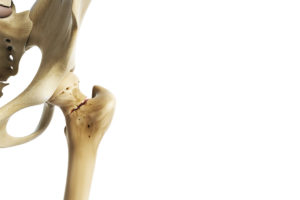
Hip Fracture Risks and Postmenopausal Women
Hip fractures have serious consequences, including an increased risk of death within the first year following the accident. Findings from a recent study offer good news on the benefits of physical activity for postmenopausal women.
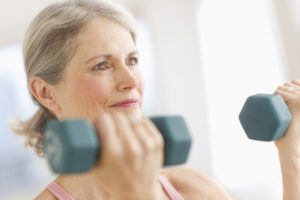
NSCA Releases Older-Adult Resistance Training Position Statement
Noting that 1 in 5 Americans will be over 65 by 2030 and that skeletal mass, strength and functional loss represent health risks, the National Strength and Conditioning Association has released its first position stand on older-adult resistance training.
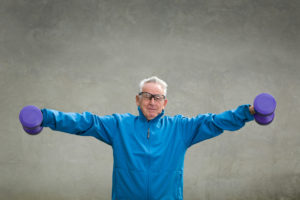
Building Muscle Mass at Any Age
Here’s motivating news for older adults and those who train them. New research shows that older men, even in their 80s, can build muscle mass regardless of training background.
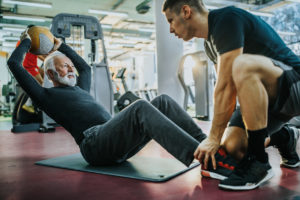
Resistance Training for Older Adults: New NSCA Position Stand
Resistance Training for older adults is pivotal for thwarting the negative effects of a sedentary lifestyle and aging.
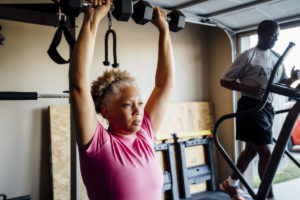
HIIT and Memory in Older Adults
High-intensity workouts may improve memory performance in older adults, according to a study published in the journal Applied Physiology, Nutrition and Metabolism. The findings may be critical for developing new treatment plans for dementia and cognitive decline.

Sample Class: Seated Exercises for Older Adults
Older adults are more susceptible to deficits in cardiovascular fitness, muscle mass, strength and power, which may ultimately lead to losses in physical function. The following chair-based format focuses on improving outcomes for older participants, especially those who may need the support of a chair during exercise. Ready, Set, Sit! offers the variety of three 15-minute training segments (cardiovascular, high intensity and strength/power), while targeting important components that boost overall function.

Training Techniques for High-Performance Masters Athletes
Trainers and coaches can use examples of elite performances and aging research to develop training protocols for masters athletes.

Childhood Activity and Midlife Brain Fitness
Here’s one more solid reason to inspire kids to exercise. The secret to maintaining cognitive fitness later in life may lie in getting active while young and staying active throughout teen, young-adult and middle-aged years.

First-Time Marathon Training Has Anti-Aging Effect
Here’s a good reason to encourage your midlife clients to try an inaugural running event. First-time marathon runners who trained for 6 months saw a 4-year reduction in arterial age, according to study findings presented at EuroCMR 2019, a scientific congress of the European Society of Cardiology.

Having the Bone Health Talk With Clients
Clients may ask you about calories or how to “tone,” but how often do they ask questions about bone health and osteoporosis? If clients aren’t asking these questions, they should: 54 million adult Americans are at risk of breaking a bone (NOF 2019a). You probably already know that people who have osteoporosis should do weight-bearing exercises to slow the degradation and ease the effects. However, most people are given no more explanation than that. You may be in a position to offer answers to some of your clients’ questions.

Evening Cardio Training and Hypertension
In another clinical trial examining the impact of time of day on training effects, researchers found that cycling at moderate intensity for 45 minutes three times per week in the evening decreased clinical and ambulatory blood pressure in 50 middle-aged sedentary men with hypertension more than either morning training or stretching (the control group).

Evening HIIT and Sleep
The time of day your male clients train may affect their appetite and performance.

Walking Benefits Older Adults With Arthritis
People with osteoarthritis who walk briskly as little as 1 hour per week can significantly increase their odds of remaining functionally independent. Northwestern University researchers in Chicago examined more than 4 years of data from more than 1,500 adults—age 49 or older—who had arthritis but no disability. Their activity levels varied. Activity data analysis showed that people who did 1 hour of moderate-to-vigorous activity per week had a higher probability of remaining free from disability than those who exercised less.
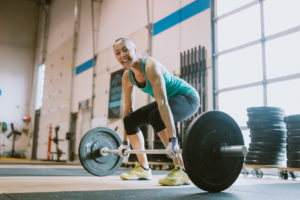
Power Training vs. Strength Training for Older Adults
For maintaining functional ability—and potentially even for living longer—growing research
supports the benefits of power training, particularly as we age. Power is the ability to move weight with speed and to generate force and velocity with coordinated movement.