

Functional Aging/Older Adults

The New Frontier of Active Aging Nutrition
As the population over 50 continues to grow, so does interest in how nutrition can support not just a longer life—but a better quality of life. For fitness professionals, dietitians,…

Yoga and Low Impact Exercise Helps Older Women with Incontinence
Incontinence is one of the most common health issues for women as they age. Yoga and low impact exercise for at least 12 weeks significantly reduced incontinence episodes, according to…

Heavy Resistance Training Provides Dividends in Older Age
Study finds resistance training near retirement age provides long lasting benefits. Motivate retirement-age adults to do a heavy resistance training program to reap more strength and functional benefits in later…

Reshaping Senior Fitness Exercise
Senior fitness is more relevant and important than ever. See what it takes to deliver top-notch senior fitness programs!

Secrets of Super Agers
What’s their secret? Why do Super Agers, people who live past 90, have such long lives? What can you do to live a longer, healthier life?

Cold Water Swimming Eases Perimenopause and Menopause Symptoms
Women felt that cold water swimming had a positive effect on menstruation, perimenopause and menopause symptoms, according to a survey.
Weight Maintenance Linked With Longevity
Weight maintenance, rather than weight loss, is more significant to achieving exceptional longevity among women over 60.
1K Walk Test Can Predict Older Adult Fracture Risks
Fit pros working with older adults may using walking to screen for fracture risks and whether bone health should be prioritized.

Triumph Through Shared Resilience
Personal trainer Marilyn LoPresti and her client with a common struggle work together to overcome adversity.
Dynamic, Integrated Balance Program for Older Adults
With the right training with balance sessions for older adults, you can help clients retain or regain balance and reduce fall risk.
Osteoporosis: Facts, Stats and Exercise Recommendations
Health statistics, risk factors and pathogenesis of osteoporosis, as well as exercise recommendations for improving bone health.

Healthy Diet Linked With Better Physical Fitness in Middle-Age
While fit pros urge clients to follow healthy sleep habits, they may also want to note that a healthy diet promotes better physical fitness.

Pickleball: Preventing Injuries and Enhancing Performance
As pickleball continues to rise in popularity, it’s important that personal trainers understand the biomechanics of this dynamic sport.
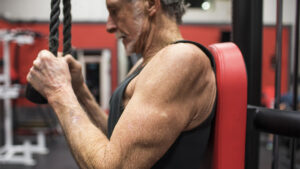
Strength Training and Inflammation
Continue to emphasize strength training for inflammation with your older adult clients, as new research adds insight into potential benefits.

Mindset and Menopause
There’s no arguing about the benefit and importance of physical activity for our health, especially during menopause. And that’s only the starting point: Women transitioning through menopause benefit from a…

Machine-Based and Free-Weight Training for Functional Aging
Programming tips to help seniors age not just with grace but with strength through free-weight training and machine-based training.

Exercise for Osteoporosis
Exercise improves bone mineral density for people with osteoporosis, but questions remain regarding safety and effectiveness.
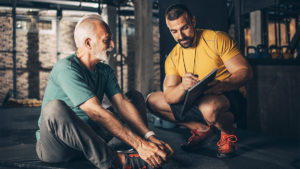
Programming for Exercise and Medications
Here’s a look at common medication groups, and recommendations for programming for exercise and medications.

Degrees of Functional Abilities, Demystified
The Hierarchy of Functional Aging model includes eight categories of functional abilities to help you assess and training clients.
Training a Client With COVID-19
Client With Covid-19