

Supplements/Ergogenic Aids

Question of the Month
If we want people to eat better, we need to acknowledge that pears cost more than potato chips. A study from Drexel University, Philadelphia, published in a recent edition of the International Journal of Environmental Research and Public Health, showed that the difference in the cost of healthy foods versus their unhealthy counterparts plays a significant role in whether people follow a nutritious diet.

Ask the RD: Is “Golden Milk” Really Healthy?
Question: My favorite coffee shop now serves Golden Milk, which is warm coconut milk or cow’s milk infused with turmeric. I love the flavor, but is it really as healthy as they say?

Restaurant Critics Are Social
It turns out there’s a social media spillover effect from those calorie postings popping up on more restaurant menus. A 2017 report in Marketing Science discovered that health mentions about foods at 9,805 eateries in New York—where chain restaurants are now required to post calorie counts on their menus—increased significantly in 761,962 online reviews that followed the implementation of calorie posting.

Bobbing for Apples
If you’re concerned about any lingering pesticides on your apples (after all, they are among the most heavily sprayed crops in America) but the price of organic causes too much pain at the checkout, then consider giving your fruit a baking soda bath.

Another Sugar Downer
Consuming too many sweet drinks, doughnuts and chocolate bars may lead not only to a belly bulge but also to a sour mood. After accounting for confounding factors like socio-economic status, body weight and smoking, researchers from University College London found a link between high sugar intake and mental conditions like depression and anxiety in men, according to research published in the July 2017 edition of Scientific Reports.

Want to Eat Less Salt? Try Adding Pepper
Most Americans consume well over the daily recommended intake of sodium (hello, packaged and restaurant foods), but turning up the heat on your meals may help you get by with less, according to the American Heart Association’s journal Hypertension.

Attack of the Snacks
Our increasingly harried lives are driving a shift toward eating more grab-and-go snack foods instead of sit-down meals, but research published in Appetite in January 2018 shows that just seeing the word snack on a food label may lead us to eat more.
Fatten Up Your Salads
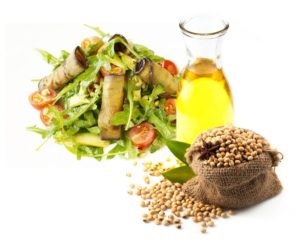
Mary Poppins famously advised that “a spoonful of sugar helps the medicine go down.” Now, it looks like a spoonful of oil helps nutrition levels go up—if we apply the right oils to certain veggies. In a study published recently in The American Journal of Clinical Nutrition, researchers at Iowa State University found that subjects who ate salads with added soybean oil absorbed several key nutrients and antioxidants, including beta-carotene, vitamin E, vitamin K and lycopene, better than when they munched on salads minus the oil.

Rethink Dining Alone
If your dining company is more likely to be a smartphone than a living, breathing human, you could be on the path to health woes that go well beyond heartburn. A paper published in Obesity Research & Clinical Practice in October 2017 suggests that the increasingly common practice of trading in family meals for less formal, more sporadic solo eating could raise the risk of developing maladies like heart disease and diabetes.
The New Culture Club
A bowl of yogurt is a near-perfect snack. Each spoonful provides muscle-building protein, bone-strengthening calcium and vitamin D, potassium, and good-for-you bugs. But no longer is Greek the only globetrotter in the dairy aisle. These worldly options are also worthy of a resounding Opa!
Skyr

Roasted Potatoes With Herb Caper Sauce
Every few years there seems to be another diet trumpeting the need to keep potatoes off your kitchen playlist. When prepared right, however, the humble spud is more of a nutritional saint than a villain.

Question of the Month: Thinking Beyond Chicken and Beef
It’s good news that more people have an appetite for alternative proteins, as there’s power in plants. A study in The Journal of Nutrition associated higher intakes of plant protein with a more nutritionally adequate diet. What’s more, a Finnish study found that men whose diet favored plant protein had a 35% lower risk of type 2 diabetes than those who ate more animal protein, according to a 2017 study in the British Journal of Nutrition.

Fire It Up
Looking for some heat this winter? Turning up the furnace on your meals with chilies may make it easier to stay on good terms with the scale, according to a study conducted by OminActive Health Technologies and University of Arizona and published in Advances in Nutrition in 2017.

BPA Replacements Show Promise
In the past decade or so, a number of studies have suggested that high exposure to bisphenol A (BPA), a chemical compound used in the lining of many canned foods and drinks (as well as in plastics, to make them tougher), could raise the risk for everything from heart disease to diabetes to weight gain.
Rise of the Plants
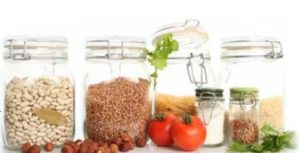
While meat remains the primary protein source for most Americans, it appears that more people are considering serving up chickpeas instead of chicken more often. According to the market research firm Nielsen, 22% of Americans plan to cut back on their meat intake, and 15% of those surveyed wish to bump up their intake of plant proteins like legumes, nuts and seeds, according to a 2017 report from FoodNavigator-USA.

Looking on the Bright Side
From previous research, we know that eating together as a family tends to improve the nutritional status of the children in the household and reduce their risk of becoming overweight. But less has been known about how the emotional climate of mealtimes influences the foods children choose to eat.

Not-So-Sweet News About Caffeine
No wonder so many people drown their coffee in sugar and gravitate toward saccharine breakfast foods. In 2017, the Journal of Food Science reported that people rated a sweetened caffeinated coffee as less sweet than a sweetened decaf coffee. A sugar solution consumed after the coffee was also deemed less sweet in the caffeine trial. Interestingly, there was no impact on other taste sensations, namely bitter, sour, salty or umami. Caffeine appears to dull receptors in our sweet-sensitive taste cells.

Ask the RD
Question: I know chocolate is considered a healthy snack, but are all kinds of chocolate healthy?
Answer: Chocolate has complex flavors, amazing mouthfeel and myriad phytochemicals, including polyphenolic compounds with antioxidant activity (Katz, Doughty & Ali 2011). It is linked to reduced risk of cardiovascular disease and type 2 diabetes and even improved mood (Mostofsky et al. 2017; Scholey & Owen 2014; Sorenson & Astrup 2011).

Rise and Dine
Weight loss efforts often focus on what and how much food we eat. But it turns out we should also think about when calories go down our gullets. Based on dietary data from more than 50,000 adults, a recent study in The Journal of Nutrition reported that people who consumed their largest meal of the day at breakfast had a lower average body mass index than those who ate their most substantial meal at dinner, even when overall calorie count was similar.

Sweet Nothings
Even health warriors can fall prey to the devious ways of sugar. In a 2017 study published in Clinical Science, nutrition scientists found that in otherwise healthy men (the control group in the study), eating a high-sugar diet for 3 months—650 calories a day from sugar—raised fat levels in the blood and liver, potentially heightening the risk for cardiovascular disease. It appears that, even in healthy populations, consuming excessive amounts of sugar can alter fat metabolism in ways that could increase the risk for health woes.