

Technology
A No-Tech Sunday
Cellphones, computers, tablets. All of these are important tools that help you to run a successful fitness business. But technology can seep into every moment of your life and take over. Do you need to step away from email or give your smartphone a rest from time to time? Discover why you’ll be a better entrepreneur if you explore options for setting limits around technology and just say no to it some of the time.
Some fitness entrepreneurs are finding that saying no to digital devices every Sunday helps them find work-life balance.
Look Who’s Put a Block Party on the Plate
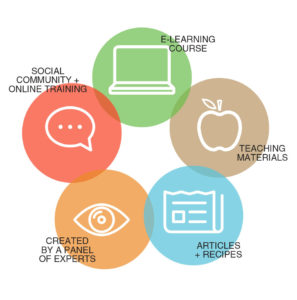
Zumba® instructors can now extend their celebration of fitness beyond the dance studio and help fuel all-around fitness with Plate by Zumba™, a healthy eating program and e-learning course.

Strategic Self-Promotion for Fitness Pros
Promoting yourself has never been easier. Free social media, affordable Web design and easily accessible graphic design provide ample opportunity to draw awareness to what you have to offer. But without a blueprint, you are wasting your time. Read on to uncover core self-promotion methods that can increase your business in less time than you think.

Top Tips for Personal Branding
More and more, knowledgeable individuals are developing themselves as brands. For exam- ple, well-known fitness professionals like Chalene Johnson and Cassey Ho have become the product they sell. Public relations expert Marsha Friedman believes that everyone should follow in these experts’ footsteps. “By branding yourself—making sure the world knows who you are and what expertise you have to offer—you not only set yourself apart from your competitors but you also open the door to new opportunities,” she explains.
Here are her top tips for developing your own brand:

Four Easy-to-Use Email Tools to Launch Your Email Newsletter
Learn the pros and cons of four popular tools.

Self-Reported Energy Balance Data Cannot Be Trusted
Imagine your clients having to record their food consumption and energy expenditure as part of an important research study. The details might get a little sketchy from day to day, right?

The Hunger-Obesity Paradox: There’s an App for That
More than one-third (78.6 million) of U.S. adults are obese. But according to a 2014 report by Feeding America, a hunger relief charity, 49 million Americans are “food insecure,” meaning they eat smaller amounts, go hungry or eat less nutritious foods because they can’t afford to eat better. Almost one-third of America’s food insecure are children, the report says.

Secrets of Social Media Success
Social media offers fitness businesses an opportunity to market products and services. But there are some best practices to consider when navigating online platforms, explains Rochelle Sanchirico, head of marketing and analytics for Webs.com.
Sanchirico offers these insights to help you maximize your social media presence:

Trainer Tech: Six Software Apps to Improve Your Business
How many clients did you work with before you realized personal training required a lot more administration than you thought? With scheduling, monitoring progress, planning meals, preparing training programs and keeping track of all of your clients, there’s a lot to be done. Luckily, in this age of “There’s an app for that,” trainer technology is vastly improved. Gone are the days of manila folders, clipboards and record-keeping with pen and paper.

Mobile Apps for Your Clients
Mobile apps for nutrition, weight loss and fitness put health management into the palms of your clients’ hands, so clients will probably ask you to help them pick the best apps for enabling results. If you plan to recommend good fitness apps to your clients or class participants—or if you already do—you’ll want to consider user-friendliness and whether certain clients will actually use the apps you suggest (see the sidebar).

Can Twitter Help Childhood Obesity?
Social media platform Twitter is widely used as a tool for sharing and receiving information. A recent study suggests that tweeting
could play a positive role in reducing childhood obesity rates.
How to Optimize Your Website for Mobile Users
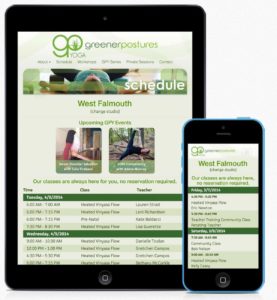
Mobile is on the move: According to comScore (2014), more than 166 million Americans aged 13 and over now have smartphones, and they are using them for much more than talking and texting: almost 60% of smartphone users and close to 75% of tablet users use the search function to get immediate information while they are on the go. What time is the next indoor cycling class? How late is the gym open? Where is this trainer located?

Fitness at Your Fingertips (or Thumbs)
Measuring your heart rate? Or need a reminder to stay hydrated? There’s a smartphone app for that. Track your run, find healthy recipes or analyze your client’s walking gait? There are apps for that, too!
With innovation and technology in the fitness and wellness industries growing extremely fast, there seems to be a mobile app for everything these days. A recent report found that nearly one-third of U.S. smartphone owners—about 46 million unique users—accessed apps in the fitness and health category in January 2014 (Nielsen 2014).

How to Manage Social Media on a Crazy Schedule
These days, in order to develop a successful fitness business, it’s important to be as present online as you are offline. However, your schedule is not exactly 9–5, and it doesn’t always involve sitting in front of a computer. Your office is a gym. If you’re sitting, you’re most likely lifting weights or consulting with a client. While many business owners can log on and manage their social accounts while at work, the erratic and hectic schedule of a fitness pro makes this much more difficult.

What’s the Impact of Digital Distraction?
Electronic gadgets are essential to most of our lives; however, if unmanaged, they can undermine our ability to pay attention to one task for more than a few minutes. For wellness professionals, whose livelihoods depend on helping clients achieve results, this makes it more difficult to accomplish objectives. The task of motivating people is enhanced by biofeedback devices and programs but, on the other hand, complicated by the need to capture the attention of an increasingly fragmented and inattentive clientele.
What to Look for in Fitness Technology
When suggesting fitness technology to your clients, consider these three factors:
Ease Of Use
If the device isn’t easy to use right out of the box, then you have a problem. Your client shouldn’t need a PhD in engineering to use it. Some devices are great concepts but lack real-world, easy-to-use features. Your clients have enough excuses not to be physically active. Don’t let substandard technology give them another one.

Why Fit Tech Changes Everything
If you’re not already harnessing the power of fitness technology to run your personal training business and make a difference in the lives of your clients, you should be.

How Do You Manage Your Clients And Leads?
In a recent “Tricks of the Trade” column, IDEA asked some of its members how they manage their clients and leads. Read on for Raleigh, North Carolina, member Karin Singleton’s ideas. How do you manage your clients and leads? Please share your answer in the comment box below.

Screen Time Weakens Boys’ Bones
Here’s more incentive to encourage boys to minimize computer use. A new study presented at the World Congress on Osteoporosis, Osteoarthritis and Musculoskeletal Diseases, in Seville, Spain, in April, draws a link between screen time and diminished bone mineral density.
The research, published in Osteoporosis International With Other Metabolic Bone Diseases (2014; 25 [s2]), included 1,038 Norwegian boys and girls aged 15–18.