
Anatomy/Kinesiology
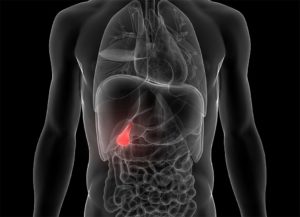
Get to Know the Gallbladder
When you think of the gallbladder, two things likely come to mind: It’s located in the right abdomen, and it’s associated with painful gallstones. But, typically, little attention goes to this small organ working quietly behind the scenes during digestion.
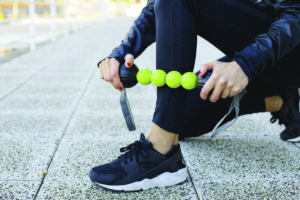
Self-Care Massage Tools for Recovery
As a fit pro, it’s helpful to use self-care massage tools for exercise recovery to prevent or treat pain or imbalances in the body.

Helping Clients Enjoy the Taste and Culture of Food
It’s time for Americans to shift their focus from calories, macronutrients and micronutrients to taste, culture and mindfulness. After all, our preoccupation with dieting and health fads has us restricting foods, chasing unsustainable weight loss goals and feeling bad about our nutrition choices—but all we have to show for it is rising rates of overweight, obesity, diabetes and heart disease.

Neuromuscular Power Training for Athlete Clients
To help clients with power training, you need to understand the fundamentals of neuromuscular power development.

Why Hydration Should Be on Your Mind
People who like to work up a sweat should definitely have proper hydration practices on their mind. A review in Medicine & Science in Sports & Exercise found strong evidence that athletes who lose more than 2% of their body weight in fluids—all too common in prolonged bouts of sweaty exercise—suffer noticeable declines in mental performance. The review (a meta-analysis of previously published research) noted declines in attention, motor coordination, and the executive functioning your brain needs to focus, organize and remember details.

Diet Can Fight The Effect Of Fat Genes
Over the past few decades, researchers have shown that an individual’s
genetic makeup can play a big role in his or her propensity to gain weight and keep it on. For instance, one person may have a gene that makes him more efficient at converting food calories into body fat, while someone lacking this gene can apparently eat as much as she wants without packing on a single pound. Maddening for some, to be sure. But now it seems that dietary choices may have the power to override certain genes associated with body weight.

Go Fish To Nourish A Baby Bump
Moms-to-be should visit the fishmonger more often. In a study published in the journal Pediatric Research, scientists in Finland collected nutrition information from 56 pregnant women using food diaries; the scientists then measured blood levels of long-chain polyunsaturated fatty acids (aka omega-3 fats) in both mothers and babies when the newborns were 1 month old.

Can’t Resist the Cookie Jar? Blame the Makeup of Your Brain
It appears that the way our brains are hardwired can play a big role in eating habits and long-term weight loss success, according to research published in the October 2018 issue of Cell Metabolism. In the study, Canadian researchers ran MRI brain scans on 24 people while showing them images of different foods. Participants then began a 1,200-calorie-a-day diet in a weight loss clinic.

Sleep Deprivation & Diabetes Risk
Did you know that losing a single night’s sleep may affect the liver’s ability to produce glucose and process insulin, increasing the risk of metabolic diseases such as hepatic steatosis (fatty liver) and type 2 diabetes?

Blood Facts: Circulating Information
In literature, it has been known to curdle, boil and run cold. Yes, we’re talking about blood. A closer look at its function and composition reveals an interesting story about the human body. Blood travels through the circulatory system to deliver vital nutrients, oxygen and hormones to the body’s tissues, and it’s made up of four components: red blood cells, white blood cells, platelets and plasma (MSKCC 2017).
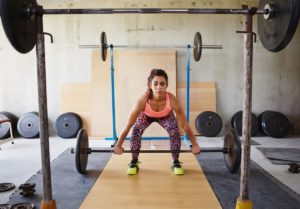
A Woman’s Place Is in the Weight Room
Every day, more women are moving from the cardio room to the weight room. It’s a welcome transition; getting stronger can transform their self-esteem, confidence and self-efficacy.
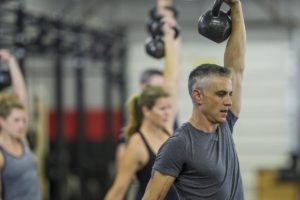
Resistance Training for Muscle Size: How Many Days Per Week Is Best?
STUDY REVIEWED: Grgic, J., Schoenfeld, B.J., & Latella, C. 2018. Resistance training frequency and skeletal muscle hypertrophy: A review of the available evidence. Journal of Science and Medicine in Sport, S1440–2440 (18), 30862–64.

Tending to Tendons
You’re no doubt familiar with the Achilles tendon, named after the Greek demigod whose singular physical weakness brought him to his knees. But how much do you know about tendon functionality? When it comes to mobility, tendons are the unsung heroes of our anatomy. These tough yet flexible cords of fibrous tissue connect muscle to bone—unlike ligaments, which connect bone to bone.
Tendons are found throughout the body, to help facilitate movement. When a muscle contracts, the tendon absorbs some of the impact and pulls the attached bone into action.

Yoga for Optimal Performance
Yoga, as both a philosophy and a physical practice, is one valuable tool to consider integrating into your training programs to help clients

The Renal System
When the body’s systems are running smoothly, we’re a walking, talking cellular symphony. When something goes “off note,” we become more cognizant of how vital interconnections affect our functionality. More commonly, though, we take the actions of some body parts for granted. Consider, for example, the renal, or urinary, system.

Can a Short Bout of Cardio Affect Motor Skill Learning?
Fifteen minutes of aerobic exercise done immediately after practicing a new motor skill improves long-term retention of that skill, according to findings reported in NeuroImage (2018; doi:10.1016/j.neuroimage.2018.03.029). Lead study author Fabien Dal Maso, assistant professor at the University of Montreal, said, “This shows that exercise is not only good for the body; it is good for the brain.” Researchers conducted the study to explore brain mechanisms underlying motor learning and the impact of cardiovascular exercise on motor memory consolidation.

Functional Aging and Hormone Health
Understanding functional aging and the impact of activity on hormones can arm fitness trainers to help clients with their active aging goals.

Never Skip a Beat!
As “head coach” of the circulatory/cardiovascular system, the heart pumps blood throughout the body, supplying oxygen and nutrients to tissues. Actually, two circulatory systems work as a “team”: Systemic circulation carries oxygenated blood from the heart to the body and sends deoxygenated blood back to the heart. Pulmonary circulation transports oxygen-poor blood from the heart’s right ventricle to the lungs, where it picks up a new supply of oxygen-rich blood that it carries to the heart’s left atrium (PubMed Health 2018).

Cool Down With Reciprocal and Autogenic Inhibition Techniques
As you wind down your dance, step, strength or boot camp class, many attendees are uncoupling from your intentional instruction and preparing for the next stop in their busy days. Don’t let participants leave without a solid cooldown experience! Next time, as you lead the stretch, why not share a little science with them?
A Defense Against Age-Related Slowing
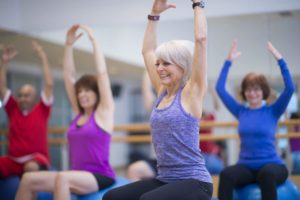
Age-related slowing of movement plays a critical role in the declining health of older adults. Slowing typically begins after age 62 with a marked decrease in gait velocity. It can lead to dysfunction, poor mental and physical health, a loss of independence and higher risk of mortality.