

Recipes

Recipe for Health: Chicken Spelt Salad With Blueberry Vinaigrette
Want to keep your heartbeat strong? Then don’t skimp on antioxidants. A study last year found that people whose diets had the highest antioxidant capacity—a measure of how well foods can thwart cell-damaging free radicals—had about a 22% lower risk of all-cause mortality and a 17% lower risk of cardiovascular disease over 13 years than those whose diet packed the weakest antioxidant punch. That study, reported in the European Journal of Nutrition, used dietary data from 23,595 U.S. adults.
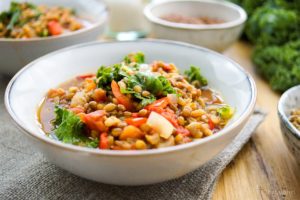
Recipe for Health: Spelt Chili
If you want to know which foods deserve prime real estate in your shopping cart, a study in The American Journal of Clinical Nutrition offers some guidance. German investigators reviewing how certain food groups influence disease markers found that nuts, legumes and whole grains had the greatest impact on metabolic measures like LDL cholesterol, blood triglycerides and insulin resistance, while sugary drinks performed worst.

Steamed Lemony Tilapia
To keep blood pressure numbers from boiling over, it might be a good idea to tame the flame when preparing meat, chicken and fish, according to research from the Harvard T.H. Chan School of Public Health.

Steamed Lemony Tilapia
T
o keep blood pressure numbers from boiling over, it might be a good idea to tame the flame when preparing meat, chicken and fish, according to research from the Harvard T.H. Chan School of Public Health.

Recipe: Walnut Eggplant Dip
There is even more evidence that you can eat walnuts to your heart’s content. Researchers at the Harvard T.H. Chan School of Public Health conducted a thorough review of 26 clinical trials with 1,059 subjects over a 25-year span, investigating the connection between walnut consumption and risk factors for cardiovascular disease, including blood lipid levels.

Recipe for Health: Lentil Sloppy Joes
Lentils are cheap and easy to prepare while providing a nutritional bounty for a low caloric cost, yet they are not quite a common ingredient in the average American diet. Two new studies suggest this humble legume could be an ally in the battle against diabetes. Researchers reported in the journal Clinical Nutrition that among 3,349 participants, those who consumed the most lentils over 4 years had a lower risk of developing type 2 diabetes than those who ate the least.

Recipe For Health: Curry Cashew Energy Balls
We now have more reason to go nuts for nuts (and seeds!). In a joint study by American and French researchers published in April in the International Journal of Epidemiology, rates of cardiovascular disease among 81,337 subjects during a mean follow-up time of 9.4 years were 60% higher in those who consumed the most protein from meat, while rates of this deadly ailment were 40% lower in those who ate the most protein from nuts and seeds.

Boost Flavors from Bland to Grand
A well-stocked spice collection may help people enjoy healthier foods more often, according to a January study in the Journal of Food Science. Researchers found that broccoli, carrots, cauliflower and green beans drew a higher flavor rating when they were enhanced with herbs and spices than when they were unseasoned.
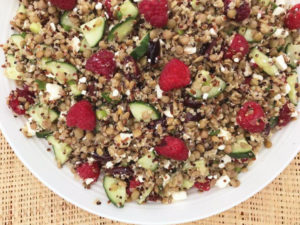
Recipe For Health: Raspberry Quinoa Lentil Salad
For years, we’ve heard that eating more dietary fiber delivers a range of health
benefits, from greater weight loss to better blood sugar control to lower cholesterol
levels. Now, scientists increasingly suggest that much of the power of fiber
is due to its impact on the human microbiome—our internal colonies of bacteria.
Eating a wide range of high-fiber foods appears to nourish the microbiome
in our digestive tracts.
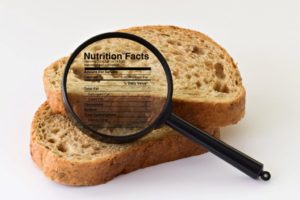
Who Is (and Isn’t!) Reading Food Labels
The Nutrition Facts panel displayed on all packaged food can relay critical nutrition information like calorie, sugar and fiber content—but only to those who read the label.
An investigation by the University of Minnesota’s School of Public Health and Medical School found that a mere one-third of adults aged 25–36 report frequent use of the Nutrition Facts label. Women, people with more education and income, those who cook more of their own food, and people who exercise regularly were more likely to examine their food purchases carefully.

Question of the Month
Do you or your clients drink energy beverages to get a lift? Do you think government agencies should better regulate these drinks? What do you consider the major health concerns of heavy consumption? Or do you believe the reported dangers are overblown? Send your responses to Sandy Todd Webster at swebster@ideafit.com.

Ask the RD
Question: I have heard that drinking apple cider vinegar is good for weight loss. Is that true, or is it too good to be true?
Answer: Apple cider vinegar has a cure-all reputation for helping with weight loss, cholesterol,
diabetes, acne, digestive problems and other issues. The truth is somewhat less impressive, but apple
cider vinegar does have proven health benefits.

Magnesium Boosts Power of Vitamin D
Your clients may believe they’re getting ample vitamin D, but they won’t get the full benefit if their diet lacks magnesium. A study published in the Journal of the American Osteopathic Association found that vitamin D is not properly metabolized when magnesium levels are low. Thus, it remains largely inactive in the body, leaving people vulnerable to disorders related to poor vitamin D status, including weak bones.
Go Fish for Stronger Bones
A trip to the fishmonger can help your bones and your heart. Scientists have long noted a link between eating omega-3 fats in certain fish and improving heart function, but these mega-healthy fats are not a one-hit wonder. Critical Reviews in Food Science and Nutrition published a meta-analysis of previous research (which included 292,657 people)—and reported an inverse relationship between fish consumption and risk of hip fracture. Mechanisms still need to be sussed out, but in the meantime it’s a good idea to work fish into our diets at least twice per week.

Environmental Endocrine Disruptors Partly to Blame for Weight Regain in Women?
Maintaining weight loss is extraordinarily difficult for most people for myriad reasons, some understood and others less so.
In February, PLOS Medicine published results of the first randomized controlled human study looking for connections between weight loss and exposure to synthetic chemicals called perfluoroalkyl substances (PFAS). The researchers found that higher blood levels of PFAS don’t affect weight loss but are associated with greater weight regain, especially in women.

Question of the Month: McDonald’s Makes Kids’ Menus Healthier—Are They Healthy Enough?
A Happy Meals makeover is underway at McDonald’s. As of June, all Happy Meals in the U.S. will contain fewer than 600 calories. By 2022, they will have less than 650 milligrams of salt, and under 10% of calories will come from saturated fats and added sugars. Water is now the default beverage. Cheeseburgers are off the Happy Meal menu, while chicken nuggets and hamburgers are served with fruits, vegetables or a 110-calorie mini-side of fries.

Stuffed Portobello Burgers With Caramelized Onions
Fungi. Ewww. That’s true if it’s fuzz on your loaf of bread or mold in the corners of the gym shower. But mushrooms, redolent of the earth and presenting in a dizzying array of shapes, are fruiting bodies worth cozying up to.

Trending: Sparkling Water
Out with soda and in with . . . sparkling water. Health-conscious Americans looking for a carbonated-beverage fix are in luck as sparkling water takes over store shelves across the country. The sugar-free bubbling water is a great hydration source and is free of artificial sweeteners and other processed ingredients common in diet sodas.
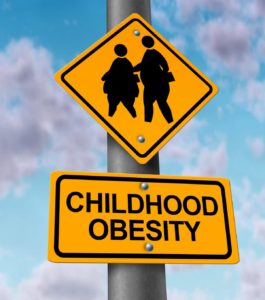
Childhood Obesity Stats Remain Grim
A February study in the journal Pediatrics debunked reports that childhood obesity rates were leveling off or in decline. In fact, the study found that despite substantial efforts to curb the epidemic in recent years, obesity rates have increased for every demographic—especially preschool children and adolescent girls. Moreover, the study cited a substantial rise in severe obesity in children.

Cure For Peanut Allergies On the Horizon
Peanut allergies affect 2% of U.S. children and are the leading cause of death by food allergies. Unlike many of them, peanut allergies are rarely outgrown, and there are currently no treatments. People with peanut allergies must scrutinize everything they eat and keep a lifesaving epinephrine injection pen on hand in case of an accidental exposure.