

IDEA
Tag Archives

Breast Cancer Awareness: Exercise & Screening
October is widely recognized as Breast Cancer Awareness Month, reminding us of the importance of early detection and healthy lifestyle habits. Regular exercise is linked with reduced risk of breast cancer and can also support recovery during and after treatment (McTiernan, 2008). Physical activity improves hormone regulation, immune function, and body composition—all factors associated with…
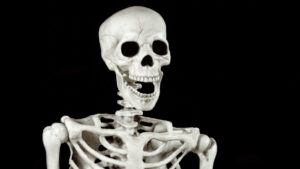
Skeletal System Overview
The skeletal system is the framework of the human body, composed of 206 bones in adults. Beyond structure, bones provide vital functions: protecting organs, storing minerals, facilitating movement, and producing blood cells (Clarke, 2008). Far from being static, the skeleton is a living, adaptive tissue. Bone remodeling is an ongoing process that balances bone formation…

Hydration Isn’t Just a Summer Thing
When the weather cools down, many people forget about hydration. The truth is dehydration is just as likely in fall and winter as in the summer months. Cold air is often drier, increasing fluid loss through respiration. On top of that, the body’s thirst response diminishes in cooler temperatures, meaning you may not feel thirsty…

Why Your Runs Feel Easier in Cooler Weather
If your pace feels smoother on crisp mornings than on humid summer days, thermoregulation is the reason. Running generates significant body heat, and in warm conditions your cardiovascular system must work harder to shunt blood to the skin for cooling while still fueling muscles. This dual demand raises heart rate and perceived exertion, making even…

Game On for Health: Turning Everyday Activity Into Wins
Gamification applies game design elements like points, badges, and challenges to everyday activities, and research shows it can meaningfully increase physical activity. When paired with wearable technology that delivers immediate feedback, gamification taps into our natural motivation for progress and recognition. Systematic reviews indicate that gamified programs lead to small-to-moderate improvements in activity levels and…
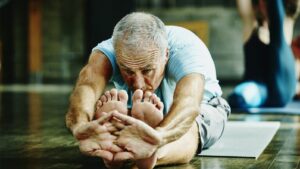
The Science of Stretching Before Your Workout: Help or Hinder?
For years, athletes and fitness enthusiasts were told to hold long stretches before exercise to “loosen up” and prevent injury. Recent research, however, suggests that the type of stretching matters more than the act itself. Static stretching, where a position is held for 15–60 seconds, can temporarily decrease muscle power and speed if performed immediately…

Shared Growth Elevated Impact
Each new season brings change—and with it, opportunities to reflect, refine and reinvest in our roles as health and fitness professionals. This issue of IDEA® Fitness Journal invites you to lean into those opportunities with intention, curiosity, and community. From the playground to the studio, from mental health clinics to obstacle courses, this edition explores…

Strength That Moves: Why Kids Need Power for Sport
Strong kids move better. Research shows that youth resistance and neuromuscular training can significantly improve sprinting, jumping, and change-of-direction skills, while also lowering the risk of sport-related injuries when paired with proper warm-ups and coaching (Behm et al., 2017). These gains are not just about building muscle; they enhance movement quality, coordination, and long-term athletic…

Gratitude & Movement: A Simple Fall Practice
Autumn is a season of transition: cooler mornings, shifting light, and a natural slowing of pace. It is also a season that invites reflection. Pairing gratitude with movement offers a powerful, evidence-based way to cultivate mental wellness while easing seasonal stress. Rather than seeing exercise and gratitude journaling as separate practices, blending them can create…

Mid-Life Physical Activity and Alzheimer’s Disease
Study finds compelling reasons to start or increase a mid-life fitness program. Looking for new ways to motivate your mid-life clients? Let them know that regular physical activity during midlife may help prevent Alzheimer’s disease. A new study in Alzheimer’s & Dementia reports that increasing physical activity levels between ages 45 and 65 can slow…

Fitness Recovery: An Evolving Pillar of Training and the Path to Professional Relevance
Recovery has always been a fundamental, though at times underappreciated, element of physical training. While much attention has historically been focused on strength, endurance, and mobility exercises as the cornerstones of fitness programming, it is during recovery that the body truly adapts, repairs, and grows stronger. Without intentional recovery, even the most well-designed training plans…

IDEA Career Success Workshop: Entrepreneurship vs. Franchising for Fitness Professionals
As the fitness industry continues to grow and diversify, more professionals are stepping into ownership roles. But a major fork in the road remains: Should you open your own independent studio or practice—or invest in a franchise? Both paths can be profitable and fulfilling, but each comes with its own unique pros, cons, and risks.…

IDEA Career Success Workshop: Staying Safe and Legally Sound as a Fitness Professional
As a fitness professional—whether you’re a personal trainer, studio owner, or online coach – you’re not just shaping bodies; you’re managing legal responsibility. One minor accident or paperwork oversight can lead to lawsuits, financial loss, or reputational damage. Let’s walk through the most critical legal areas – from liability and contracts to insurance and data…

The Bender Ball™: The Crunch-less Core
Leslee Bender has been a leader in the fitness industry for over four decades and was a pioneer in creative functional training, even in the early years of its development. In 2000, while teaching in Germany, Leslee discovered a small ball that sparked a new approach to movement. She began introducing it to the traditionally…

The Renaissance of Mental Wellness
In recent years, mental wellness has profoundly transformed from an afterthought in the fitness industry to a cornerstone of holistic health programming. This renaissance in mental wellness invites fitness professionals to expand their understanding of mental well-being and embrace the dual continuum model, which emphasizes the interconnectedness of mental wellness and mental health. By understanding…

Foundations First: A Smarter Start to Strength for Kids
The best way for kids and teens to begin strength training is by focusing on bodyweight exercises and light tools like resistance bands or medicine balls. Early sessions should include 1–2 sets of 6–12 controlled repetitions across the major movement patterns: push, pull, squat, hinge, and carry. Progress should only happen once technique is consistent,…

Resistance Training for Cardiometabolic Health
New meta-analysis shows major benefits for clients with diabetes and obesity. A new research review confirms what many fitness pros know – resistance training delivers measurable health improvements, especially for clients who are overweight, obese or have diabetes. An international research team found that consistent strength training improved insulin sensitivity, blood glucose, blood pressure, blood…

Fascia Training Boosts Flexibility, Balance and Endurance
New clinical trial supports myofascial release to improve movement performance. Keep using foam rollers, dynamic stretches and mobility tools to stimulate fascia. New research confirms the performance-enhancing effects of myofascial release (MFR) when added to a flexibility, muscular endurance and balance program. This single-blind randomized controlled trial studied healthy adults aged 18–35 years who followed…

New study shows Tai Chi’s power to create structural and functional changes in the brain.
Fitness pros have long understood the benefits of mind-body exercise; now, new research highlights Tai Chi as a particularly effective, non-pharmaceutical strategy that may help clients combat anxiety and stress. The study, published in Medicine & Science in Sports & Exercise suggests that Tai Chi practice alters brain functioning in ways that improve emotion regulation…
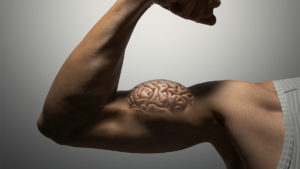
Exercise Activates Brain-Protective Cells
Study identifies mechanisms for how physical activity may prevent Alzheimer’s disease. New research reveals why exercise protects brain health. It activates specific brain cells in the hippocampus, the brain’s center for memory and learning. Scientists from Mass General Brigham and SUNY Upstate Medical University used advanced techniques to identify the brain cell types most responsive…
ad placeholder
ad placeholder