

IDEA
Tag Archives

GLP-1 Medications and Exercise Participation
The rapid rise in the use of GLP-1 receptor agonists for weight management is reshaping conversations around nutrition, appetite, and exercise participation. While these medications can be effective for glycemic control and weight loss, their appetite-suppressing effects introduce new considerations for fueling and training consistency. Emerging research indicates that individuals using GLP-1 medications may unintentionally…

From Consideration to Commitment
Many individuals who seek out fitness facilities, consultations, or assessments are not undecided about whether physical activity matters. They are undecided about whether structured support is necessary, appropriate, or sustainable for them personally. This distinction is critical. When fitness professionals interpret hesitation as resistance, they often default to persuasive tactics that prioritize enrollment over understanding.…

Hydration Myths That Persist in Gyms
Despite widespread access to hydration information, misconceptions about fluid intake remain common in fitness environments. Many clients believe dehydration is inevitable during exercise and that aggressive fluid replacement is necessary for safety or performance, even during moderate-intensity sessions of typical duration. Recent research challenges rigid hydration rules for most recreational exercisers. Evidence suggests that drinking…
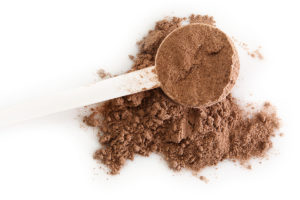
Creatine Beyond Strength
Creatine has long been associated with strength and power development, but recent research continues to expand its relevance beyond traditional performance outcomes. While its role in supporting high-intensity training remains well established, emerging evidence highlights potential benefits related to cognitive function, aging, and training tolerance across a broader range of populations. Recent reviews suggest that…

Consistency Is Built, Not Promised
Most fitness professionals recognize that long-term client retention is less about motivation and more about experience. Clients rarely disengage because they stop valuing health or movement. More often, they disengage because participation becomes confusing, inconsistent, or misaligned with expectations. In these cases, attrition is not the result of a single failure, but of an experience…

Ultra-Processed Foods: Nuance Over Alarmism
Ultra-processed foods continue to dominate public nutrition discourse, often framed as universally harmful and incompatible with health or fitness goals. While high intake of ultra-processed foods is associated with poorer health outcomes at the population level, emerging research emphasizes the importance of context rather than categorical avoidance. Recent studies suggest that the impact of ultra-processed…

Energy Availability and Training Consistency
Training consistency is strongly influenced by how supported individuals feel during and between sessions. Emerging research continues to demonstrate that inadequate energy intake increases perceived exertion, reduces enjoyment of exercise, and diminishes willingness to train, even when objective workload and program design remain unchanged. These effects can erode adherence long before measurable performance declines occur.…

Protein Timing Revisited
Protein intake remains a central topic in fitness nutrition, yet recent research continues to challenge the emphasis on precise timing strategies for most active adults. While post-exercise protein consumption supports muscle protein synthesis, evidence increasingly suggests that total daily intake and consistent distribution across meals play a more meaningful role in supporting recovery, lean mass…
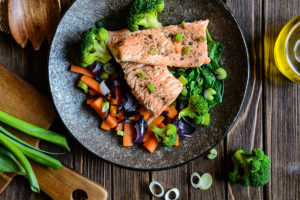
Recipe for Health: One-Bowl Salmon Power Plate
A practical approach to nutrition emphasizes repeatable meals that support energy, recovery, and satisfaction without requiring extensive preparation. One example is a balanced bowl built around whole grains, lean protein, healthy fats, and vegetables. A base of cooked quinoa or brown rice paired with grilled salmon or tofu, mixed vegetables, and a drizzle of olive…

Professional Perspective: Where Do You Draw the Line?
As nutrition messaging becomes increasingly complex, fitness professionals are often asked to weigh in on supplements, dietary trends, and health claims circulating on social media. Determining when to provide guidance and when to redirect to qualified nutrition professionals remains an ongoing challenge. This raises an important professional question: How much nutrition guidance is appropriate within…

Boost Mood with Resistance Training
Study shows reduced feelings of depression after even one training bout. Fitness pros are familiar with the mood lifting benefits of aerobic training. New research shows that a single session of resistance training can improve mood comparable with a quiet rest break. University of Limerick researchers in Limerick, Ireland, examined whether a single session of…

Sugar, Fat and Salt are on the Rise in Breakfast Cereals, Study Shows
The nutritional numbers for many cereals are not so grrreat! They’re a go-to breakfast option for millions of kids and adults. Though often marketed as being healthy for various reasons, like being made with whole grains, many cereals today are actually less nutritious than they were a decade ago, a new study has found. Packaged…
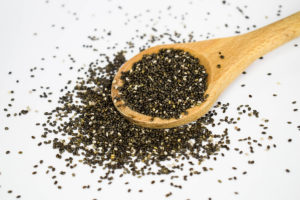
Buy or Bye: Chia Seed
Infamously hawked as a novelty product to the tune of Ch-ch-ch-chia!, chia seeds have experienced a renaissance as a functional food. The diminutive seeds of the Salvia hispanica plant, native to Mexico, are no longer considered just a niche food as they have become much more popular and common. One could rightfully argue they are…

People May Not Be Following the Diets They Say They Are
Research shows that low-carb eating might not be so low-carb after all. If any of your clients tells you they are diligently following a specific diet you are justified in being somewhat skeptical. According to results published in the Journal of the Academy of Nutrition and Dietetics, many people have the habit of mischaracterizing their…

Study Finds Adding Heat to Meals May Reduce Food Intake
Hot sauce might be the slimming condiment. Spicy food might make us perspire and flush, but it could also help some people eat more slowly and avoid overeating. This according to a 2025 study published in Food Quality and Preference, which found that moderately spicy meals can lead to slower eating and a reduction in…

Changes in taste with GLP-1-based therapies are tied to decreased appetite
Going on Ozempic and its ilk could make some foods taste too sweet or salty for one’s liking. Meant to help with the treatment of type 2 diabetes, millions of Americans are now using glucagon-like peptide-1 (GLP-1) receptor agonist drugs to aid in weight loss efforts. Mainly, people are finding that the medications help keep…
What Do You Think?
Should we shelve the protein powders? With the obsession over protein, it’s no surprise that protein powders are one of the biggest supplement sellers. But you might be getting more than protein when you scoop it up. Many protein powders on the market may contain troubling amounts of heavy metals such as lead and cadmium,…

Fitness Apps Don’t Replace Trainers
Research shows users of a fitness app have modest, lasting gains. In a 24-month study of more than half a million Canadian fitness-app users, researchers found that offering small daily financial rewards—just 4 cents per day—led to about a 40% increase in activity among less active users. The gains were sustained over 2 years. Highly…

How dehydration may secretly stress us out
Low water intake can be more problematic than leaving you feeling thirsty. Turns out that drinking sufficient amounts of water is good for more than just keeping us hydrated; it may make us more resilient to stress. In a lab experiment published in the Journal of Applied Physiology, young adults aged 18 to 35 who…
Lifestyle Practices Like Exercise Can Reduce Dementia Prevalence
Losing cognitive function is not inevitable–exercise matters. Exercise is among the most important lifestyle strategies to help slow or prevent cognitive decline. In the United States, about one in five older adults have mild cognitive impairment and one in nine have dementia, as noted in Alzheimer’s & Dementia (2021; doi: 10.1002/alz.12362). Large-scale studies now show…
ad placeholder
ad placeholder