

Nutrition CECs/Home Study

Overeating With Digital Distractions
Stuffing in food while doing something perceptually demanding makes it more difficult to notice fullness, potentially leading to overeating.
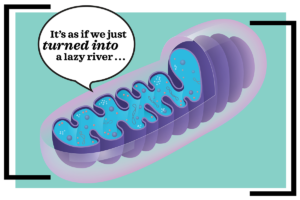
Calorie Restriction and Mitochondria
The interaction between calorie restriction and mitochondria may help explain why so many diets fail to produce lasting weight loss results.

Antioxidants for Depression
Perhaps a way to “color yourself happy” lies in the not-yet-trendy high polyphenol diet that contain antioxidants for depression symptoms.
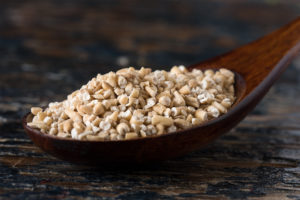
Does Oatmeal Raise Blood Sugar?
Millions of Americans spoon up oatmeal for breakfast. It seems oatmeal does raise blood sugar but the effects depend on the type of oat.

Beta-Carotene for Vitamin A
Beta-carotene is found in certain fruits and vegetables and our bodies can convert the beta-carotene we consume into vitamin A.

Caffeine and Pregnancy Outcomes
Research analysis finds associations between caffeine and pregnancy outcomes like miscarriage, stillbirth, low birth weight and preterm birth.

Evolutionary History Informs Eating
Our bodies evolved to digest foods our ancestors ate, so what contributes to poor health is the mismatch between our evolutionary history and what we eat.

Nutrition and Oral Health
Researchers found that those who ate the most salads, fruits and veggies improved their nutrition and oral health by lowering rates of periodontitis.

April 2021 Question of the Month: Are the Dietary Guidelines for Americans Tough Enough?
Are you satisfied with the 2020–2025 Dietary Guidelines for Americans? Do you believe this edition missed the mark on alcohol and added sugars?

Kids and Sugar Sweetness
No wonder it can be hard to pry kids away from the candy store; they require more sugar to detect sweetness than adults do.

Fiber Fights Depression
A high-fiber diet has been linked to a range of health benefits. Now we can add mental health to the list, as fiber and depression are connected.

Sucrose, Glucose and Metabolism
The type of sugar we choose may influence how hungry we feel. A recent study shed light on the different effects of sucrose and glucose on our metabolism.
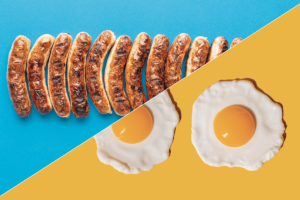
Alternatives for Red Meat
Eating red meat every day can increase your chances for poor health. Luckily, alternatives for red meat can lower that risk.

Less Red Meat, Lower Diabetes Risk
Red meat is a staple in the typical American diet, but it appears replacing it with other sources of protein may help reduce the risk of type 2 diabetes.

Meat and Local Food Supplies
Researchers concluded that reducing average meat consumption would—in many areas—greatly increase the potential for making food supply more local.

More Americans Experiencing Food Insecurity
The number of Americans experiencing food insecurity jumped more than twofold in recent years, increasing from 8.7% during 1999–2000 to 18.2% in 2015–2016.

Vote Citrus for More Muscle
A study published in The Journal of Nutrition found that adults with the highest levels of vitamin C had more skeletal muscle growth.

Appetite For Exercise, Not Food
Scientists determined that lactate—a byproduct of intense exercise—suppressed levels of ghrelin and bumped up levels of other hormones that reduce appetite.

Arsenic in Rice
Rice is a staple for millions of people, but the grainy dark side is that it often contains arsenic, a carcinogen that contributes to health problems.
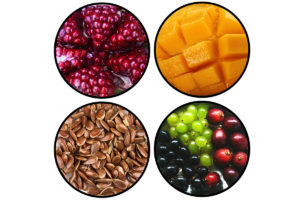
Plant-Based Antioxidants We Need
Polyphenols are a class of plant-based antioxidants found in coffee, but we may want to get more from vibrant fruits and vegetables.