Nutrition CECs/Home Study

Words of the Day: Resistant Starch
An investigation in The Journal of Nutrition found that most Americans consume less than half the recommended amount of resistant starch.
The Big 8 Food Allergens May Become 9
The U.S. Food and Drug Administration has announced that manufacturers should voluntarily declare sesame an allergen ingredient on food labels.

Bone Up on Vegan Nutrition
British scientists discovered that vegan diets lower in protein and calcium affect bone strength, increasing the risk of fracture anywhere in the body.

The Dark Side of Night Eating
Those who consume a lower percentage of their daily calories after sunset consume fewer calories overall as compared to those who ate more at night.
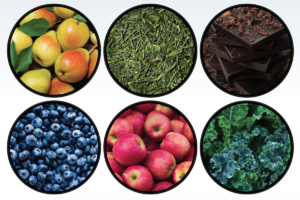
Your Brain on Plant Chemicals
Based on data collected from 2,800 older adults, those with higher intakes of flavonoids were less likely to develop Alzheimer’s disease.

A “Whole” Apple a Day
British food scientists founds that eating whole apples results in slower digestion rates as well as increased feelings of fullness and satiety.

Chickpeas and Rice for Protein
As reported in The Journal of Nutrition, the protein quality of chickpeas is increased when they are consumed with rice, as opposed to when consumed alone.

Hair Samples Reveal American Diet
Despite the rise of plant-based eating, it seems Americans still prefer cheeseburgers to veggie burgers. And the proof was gathered in hair samples.

More Folate Now, Less Diabetes Later
A study in Diabetes Care found that higher intakes of folate could help young adults lower their risk of developing diabetes later in life.

Better COVID-19 Outcomes With Zinc
First we heard how vitamin D can play a role in the severity of COVID-19; now we’re learning another nutrient may affect how people respond to the virus.

All I Want for Christmas Is . . . Less Sugar
Researchers say there’s enough scientific literature to suggest excessive consumption of added sugars increases vulnerability to depression.

Word of the Day: Drunkorexia
People with drunkorexia adopt disordered patterns of eating, such as skipping meals or purging, to offset the negative effects of consuming excess alcohol.

Take the Load Off Your Heart
European researchers discovered that a diet with a higher glycemic load correlated with a greater risk for coronary heart disease.
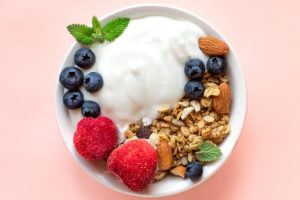
Does Dairy Do the Waistline Some Good?
Researchers determined that dairy can have a positive impact on body weight and fat mass, but only if accompanied by dietary calorie restriction.

The New Protein Math
If you’re working with clients who are pumping iron to build muscle, be sure they have plenty of protein on their plates.

The Not-So-Sweet News About Baby Food
Researchers found that most commercially prepared baby foods that claim to be made with dark-green vegetables are heavily sweetened with fruit purée.

Meal Timing for Weight Loss
With respect to weight management, we now have more proof that it’s not just what we eat that matters but also when we take in our calories.

Another Sugar Shock
There is no way to sugarcoat it: Consuming too many sugary foods and drinks is a recipe for poor health, according to research.

Key Takeaways From the New Dietary Guidelines
The goal is to offer a framework on how to eat for better nutrition-related health, and the regular updates allow for adjustments and new recommendations.

Can Your Morning Brew Help You Live Longer?
Here’s some buzzworthy news about America’s favorite pick-me-up: Drinking two to five cups of coffee per day is linked to lower risk for some chronic disease.