

Diet Research

How to Help Your Body Deal With Inflammation
Teri Mosey, PhD, a holistic nutrition consultant, explains why eating a plant-based diet can help manage inflammaiton and strengthen immunities.

Dietitians Make a Difference
Some face time with a registered dietitian can be an important part of a successful weight loss program, according to an investigation in Family Practice.

Bad Sleep, Bad Diet
Below-par sleep habits can trigger below-par food choices, and the two together can equal a higher risk for conditions like heart disease and obesity.

Dieting Your Way Into the Lonely Hearts Club
Several Cornell University studies found that peole with diet restrictions are more likely to feel stricken with a sense of loneliness.

Prebiotics for Better Sleep
Prebiotics are best known for supporting gut health, but they can also improve sleep and enhance stress resilience, according to a study published in Scientific Reports. Researchers from the University of Colorado Boulder say prebiotics—dietary fibers that nourish the gut’s microbiome—create a symbiotic relationship with the body that affects the brain.
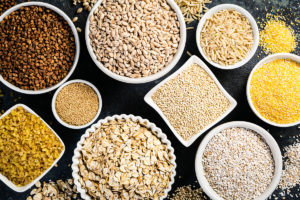
Good News for Whole Grains
The average American Heart Association healthy-diet score for U.S. adults improved between 2003–2004 and 2015–2016, according to the AHA Statistical Update 2020. Two scales were used to measure diet quality. On one of them, scores for a poor diet decreased from 56% to 47.8%; on the second, poor diet prevalence dropped from 43.7% to 36.4%.
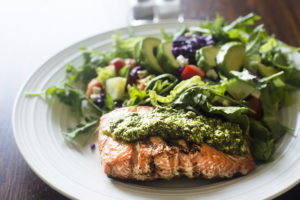
The Med Diet Stands the Test of Time
Among 250 healthy, overweight adults participating in a randomized controlled study, more than half (55%) went for IF (restricting intake 2 days a week), while 27% chose the Mediterranean diet (emphasizing whole grains, fruit and vegetables), and 18% opted to go Paleo (modified to allow some legumes and dairy). Participants also chose whether to try high-intensity interval training or a standard exercise regimen. After a brief educational session on their chosen diet, they completed assessments of their food intake, biometric measures and physical activity; these assessments were repeated at intervals.
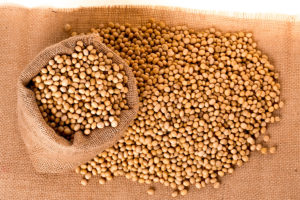
Soybean Oil Contributes to Neurological Disease
According to a study in Endocrinology, soybean oil may cause genetic changes that lead to neurological conditions such as autism, Alzheimer’s disease, anxiety and depression. Researchers compared mice that were…

For Would-Be Soldiers, Healthier Diets Pay Off
Active-duty males involved in the U.S. Army Special Forces Assessment and Selection course who had higher Healthy Eating Index (HEI) scores—used to assess compliance with the U.S. Dietary Guidelines for Americans—performed better on the demanding Army Physical Fitness Test and were up to 75% more likely to be selected for the elite unit than those with the lowest diet-quality scores, according to a study in Medicine & Science in Sports & Exercise.

Plant-Based Foods Curb Chronic Disease
Here’s another good reason to embrace the trend of eating more plants: A cohort study in Nature Communications involving 56,048 adults in Denmark found that people who over a 23-year period habitually consumed moderate to high amounts of foods rich in flavonoids—naturally occurring chemical compounds found predominantly in plant-based foods—were less likely to die from cancer or heart disease.

March 2020 Question of the Month: Is Red Meat No Longer the Enemy?
For years, nutrition and health experts have been telling us to cut back on our intake of red meat. Now, a controversial new analysis says this advice was largely unwarranted.

Weighing In on the Keto Diet
While extremely low-carbohydrate diets like fat-forward keto can aid in short-term weight loss, they have mixed effects on other health markers, according to a scientific statement issued by the National Lipid Association and published in the Journal of Clinical Lipidology.

Why Dentists Don’t Approve of Energy Foods
Sports drinks, energy gels and bars can help athletes keep up the pace, but frequent use may land them in the dental chair. According to a study published in the British Dental Journal, regular consumption of these products is likely a major reason why professional athletes have higher rates of tooth decay than the general public, despite eating a healthy diet overall and practicing good oral hygiene, like twice-daily brushing. The sugar content and acidity of energy products can expedite gum inflammation and tooth decay, leading to poor oral health.

Athletes Have an Appetite for Social Media
Social media platforms like Instagram and Facebook continue to open up new opportunities for athletes to learn about nutrition. Based on a questionnaire administered to 306 athletes, a report in the International Journal of Sports Nutrition and Exercise Metabolism found that 65% of study participants reported using social media to glean nutrition information over the previous 12 months.

Insomnia Linked to Refined Carbs
A new study on insomnia in postmenopausal women suggests the consumption of refined carbohydrates may be the cause. The findings were published online in The American Journal of Clinical Nutrition.

Finally, a Trick That Gets Kids to Eat More Broccoli
Most parents will agree that getting their kids to eat greens can be really difficult. Simultaneously offering them multiple options seems to be a solution.

Hunger on the Mind
British researchers found that hunger can significantly influence the choices we make. For the study, reported in Psychonomic Bulletin & Review, a group of 50 participants answered questions at two separate times, once 2 hours after eating and once after fasting for 10 hours. Participants had the option of immediately receiving a reward (including money) or waiting for a more substantial reward later on.

Another Win for Gluten
People without a gluten-related disorder (for instance, celiac disease or nonceliac gluten sensitivity) did not experience gastrointestinal symptoms like bloating after consuming gluten flour twice daily for 2 weeks, according to a double-blind, randomized controlled study in the journal Gastroenterology. This is more evidence to counteract the belief that eating gluten-free as a lifestyle choice is the healthier way to go.

Americans Are Still Eating a Lousy Diet
Health organizations have given advice on nutritious eating for decades, and yet a diet “report card” published in JAMA shows that American adults are still consuming too many nutritionally poor carbohydrates and more saturated fat than is recommended. The study, conducted by researchers from Tufts and Harvard universities, examined data on food choices recorded between 1999 and 2016 by almost 44,000 participants in the National Health and Nutrition Examination Survey.

What Diet Fuels Workouts Best?
A study in the Journal of the International Society of Sports Nutrition suggests that athletes can thrive on a variety of different diets.