

Research & Resources

Posture Correction for Static Damage
The word posture tends to evoke the image of a schoolgirl standing perfectly erect with a book on her head. More accurately, static posture refers to the way in which a person holds his or her body or assumes certain positions, such as sitting, standing or sleeping. The cumulative effect of the time spent in certain positions can lead to prolonged static-posture damage to both the musculoskeletal and myofascial systems of the body.
Sell Mental Health and Wellness, Not Exercise
As the world puts one foot in front of another after the pandemic, it’s critical to address mental and emotional health and wellness.
How to Develop Compassionate Coaching
Compassionate coaching involves recognizing the needs of another person, feeling empathy for that individual and taking action to help.

Fitness and Brain Health for Kids
Looking at the connection between fitness and brain health for kids, researchers discovered that fit children did better on cognitive exams.

High Levels of Inactivity and Distractibility
Studies continue to reveal a strong connection between physical activity and brain fitness—and now between inactivity and distractibility.
Exercise Recovery: Active vs. Nonactive
Fitness specialists need to understand the interrelationship of exercise recovery and training, including active and nonactive techniques.

Three Pillars of Mental Health
Recent research findings identify these three healthy behaviors as predictive of good mental health and well-being among young adults.
Breathwork Practices Gaining Popularity
Breathing programs are entering the mainstream, as breathwork was named one of the top seven trends to influence wellness in 2021 and beyond.
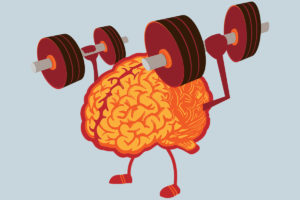
Brain Fitness and Physical Activity During Pandemic
People who stayed active during pandemic lockdowns maintained their brain fitness and were less likely to experience subjective memory loss.

Exercise and Mental Health
A deeper look at the relationship between exercise and mental health to understand factors like frequency, duration and intensity of exercise.
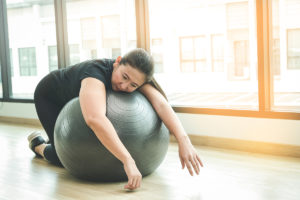
Poor Fitness Levels Linked With Depression and Anxiety
Keep promoting the mental health benefits of physical activity, as researchers find a link between exercise and depression.

Expand Your Skillset With Pilates and Mind-Body Movement
Pilates and mind-body movement to keep your clients engaged, motivated and eager to keep moving with you in-person and virtually.

Running and Mental Health
“Running has important positive implications for mental health, particularly depression and anxiety disorders,” note authors of a comprehensive study.

The $121 Billion Mental Wellness Economy
Mental wellness is emerging as a new industry based on consumer spending in four major markets, according to the Global Wellness Institute.

Executive Function: A Powerful Mode of Concentration
Fitness training on autopilot can prevent you from getting where you’d like to go. These two modes of concentration can steer you in the right direction.

The Benefits of Yoga Nidra: The Yoga of Sleep
Take a closer look at yoga nidra, which leads participants into a state of deep relaxation and can reduce anxiety, isomnia and other health risks.
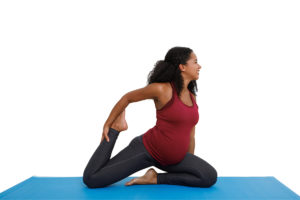
Prenatal Yoga Practice May Ease Delivery
Here’s more insight into how yoga helps pregnant exercise enthusiasts. Yoga may also play a role in shortening the first and second stages of labor.

Yoga and a Good Night’s Sleep
Yoga effectively reduces chronic lower-back pain and associated sleep disturbances, lowering the need for sleep medications.

10-Minute Natural Stress Relief
Your clients may feel fairly stressed after being quarantined, so why not advocate for their overall health by encouraging them to be active in nature?
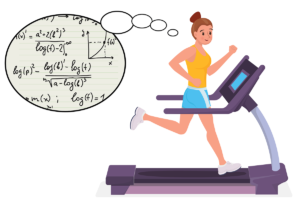
Aerobic Fitness and Brain Health
High levels of cardiorespiratory fitness were consistent with findings of increased brain volume in areas that impact stress regulation and memory.