

Consumer EducationShare With Clients
To Grow Healthier, Happier Adults, Raise Fit Kids
Today’s inactive kids are tomorrow’s unhealthy adults. Our society will pay the price for young people’s profound lack of exercise if we fail to turn this trend around. Few behaviors more significantly influence child health than physical activity. Yet children and adolescents are not moving enough, at the expense of their own health as well as that of their communities. More needs to be done to support families and society in raising fit kids.

Ask the RD
Question: I have heard that drinking apple cider vinegar is good for weight loss. Is that true, or is it too good to be true?
Answer: Apple cider vinegar has a cure-all reputation for helping with weight loss, cholesterol,
diabetes, acne, digestive problems and other issues. The truth is somewhat less impressive, but apple
cider vinegar does have proven health benefits.

Caffeine Boosts Performance in Athletes Who Use It Rarely
Caffeine stimulates the central nervous system, allowing athletes of all stripes to complete longer, harder workouts. But new research suggests that people who usually avoid coffee and energy drinks likely benefit the most from caffeine.

Why We Eat Too Much at Night
It’s 10 p.m., you’re catching up on email, and it suddenly hits you: a Goliath-sized craving for chocolate-chunk ice cream. Findings in the International Journal of Obesity show why the evening hours pose such a high risk for overeating and unhealthy munching. For the study, researchers from Johns Hopkins University School of Medicine recruited 32 adults with excess weight who volunteered for two experimental protocols:
More Sugar, Less Nutrition
Eating too much sugar is not only bad news for our waistlines; it can also make our diets less potent. Dietary survey data from 6,150 adults in an American Journal of Clinical Nutrition (AJCN) study revealed that high intakes of “free sugar” (sugar added to packaged foods like yogurt and cereal or to home-cooked foods) can coincide with lower consumption of several important micronutrients, including calcium and magnesium.
The Long-Term Benefits of Pedometer Use
Studies show that tracking daily steps with a pedometer leads to higher activity levels. A new report out of the U.K. suggests the practice can inspire people to take more steps for many years.
The report included data from two separate 12-month studies; one involved inactive adults aged 45–75, while the other featured older adults aged 60–75. In the first, participants were assigned to one of three 12-week pedometer-based interventions—consultation with a nurse, support by mail or no consultation. In the second, there was no mail support group.

Research Review: Pros and Cons of Standing
Sitting for extended periods of time is now considered as dangerous as smoking cigarettes, and as a result, many people have taken to standing during the workday. New research is shedding light on both positive and negative effects of the current trend.
Stand Up for Weight Loss
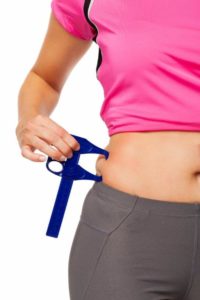
Body Fat Is Better Indicator of Type 2 Diabetes
Here’s more reason to apply a battery of assessments when determining a client’s health status. Scientists have found that body fat percentage is a more accurate indicator of a person’s risk for prediabetes or type 2 diabetes than other popular measures like body mass index.

Are You as Active as You Think You Are?
When it comes to physical activity levels, our self-perceptions shouldn’t always be trusted, say researchers across the U.S. and Europe.

Research Update: The Value of Exercise for Women’s Health
Fitness pros have a unique opportunity to take a leadership role by guiding their female clients toward a healthier, movement-oriented lifestyle. This women’s health research update discusses contemporary scientific findings you can use to educate your clients and plan up-to-date programs.

Why Water Fitness?
While water fitness was once the domain of older adults, now participants of all ages and ability levels are benefiting from aquatic workouts. Shirley Archer, JD, MA, water fitness specialist and health and wellness blogger, examines what’s new in aquatic training research and looks at different types of programs.
Research Update
Here are some of the newer findings related to aquatic training:
A for Effort
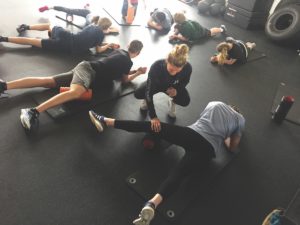
client: Kent Denver School Students | personal trainer: Laura Bordeaux, strength and conditioning coach, Kent Denver School location: Englewood, Colorado
A complete course load. Think of it as core curriculum—literally. The Kent Denver School, a college-preparatory institution outside of Denver, offers a comprehensive educational experience that emphasizes both academics and sports. That’s where Laura Bordeaux comes in.

Stand Up to Aging
Getting up off the ground grows more difficult as we age. Muscles and bones weaken, coordination becomes less fluid, and simply doing chores around the house gets more challenging. Ground-to-standing (G2S) exercises address these changes. hile even performance athletes can benefit from G2S drills (see the sidebar “G2S Exercises Also Help Performance Athletes”), they’re supremely helpful for older exercisers who are at risk for broken hips and other threats to their mobility.

The Pancreas: Two Glands in One
Located behind the stomach in the upper abdomen, the pancreas is a glandular organ that has two primary “jobs.” It is both a digestive exocrine gland (secreting products via ducts) and a hormone-producing endocrine gland (secreting substances directly into the bloodstream). The pancreas excretes enzymes to break down the foods we eat, and it secretes insulin and glucagon to control blood sugar (Taylor 2018). Spongy, and shaped like a flat pear, it’s about 6–10 inches long (Columbia University Medical Center 2018).

High-Intensity Interval Training for Fat Loss
Two recent studies reveal that high-intensity interval training has the ability to produce high-impact fitness gains in a short time frame.

Physical Activity Can Reduce Burnout
Burnout is an issue in the modern world, with annual costs to society estimated at more than $136 billion. Physical activity can reduce the risk of burnout, defined as a severe and persistent form of fatigue that occurs after a long period of work stress.
Options that reduce professional burnout are good news for employers. Fitness pros who want to promote corporate wellness can share the following study with business owners to highlight the benefits of onsite fitness programs.
On This Day in Fitness History
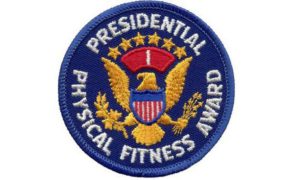
In June 1956, President Eisenhower called for a President’s Conference on Fitness of American Youth to be held at the U.S. Naval Academy. This meeting led to the formation of the President’s Council on Youth Fitness, later renamed the President’s Council on Physical Fitness. The conference convened in response to a study showing that American children were not as fit as European children in tests of muscular strength and flexibility in the trunk and legs.
Activity Tracker Usage Improves
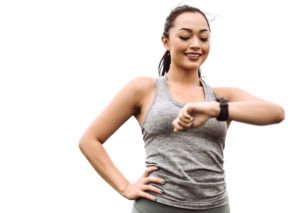
The initial finding—that people stop using their fitness trackers after the first 6 months—seems to be evolving. In a new study by insurance company Humana, 80% of participants in a structured program were still using activity trackers after 6 months. Researchers at the Perelman School of Medicine at the University of Pennsylvania in Philadelphia found that game design elements—such as points, levels, badges and financial incentives—helped to keep users active.

Teen Fitness Matters
Keep encouraging teens to get active. Vigorous exercise is particularly beneficial for lowering their risks of heart disease later in life, according to recent research. Current public health guidelines recommend that children aged 5–18 should do at least 60 minutes of moderate to vigorous physical activity daily to reduce current and future heart disease risks.
Fit and Fat?
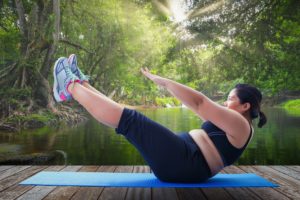
Weight loss may be the number-one goal for your clients, and if pounds don’t melt away quickly, some people may get discouraged and quit. New research strengthens the case that your program is still helping them obtain positive health outcomes, which is motivation to keep striving. In other words: Being fit benefits health even among people with severe obesity.