

running
Tag Archives

Running Benefits for Brain Health
Investigators now have new insight into how running benefits brain health, movement and cognition by examining dopamine levels.
Read More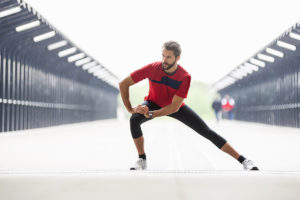
Isometrics or Static Stretching for Runners?
It may be worthwhile to examine isometrics for runners which have more positive effects and less negative impact than static stretching.
Read More
Run Pacing and Gender
Gender does not alter run pacing strategy in world-record–breaking events at championship and meet races, according to a study.
Read More
Improving Support for Postpartum Running
Women who continue running during pregnancy are more likely to return to postpartum running following pregnancy, according to a study.
Read More
Running Programs for Clients
Having a running program offers advantages for both you and your clients. And the very idea of running is gaining steam. A RunRepeat.com report recently showed that 28.76% of current runners began running during the pandemic. More than 7o% of these new runners run primarily to improve physical health. That’s up 18.03% from runners who began running before the pandemic.
Read More
Music for Running Performance
On days when mental energy is low, the benefits of music for running can help by lifting performance back to normal levels.
Read More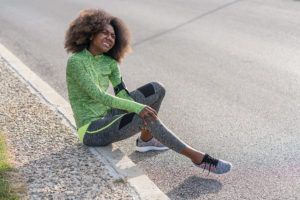
Recurring Running Injuries
A study found that recreational runners with a prior injury were twice as likely to sustain new running injuries.
Read More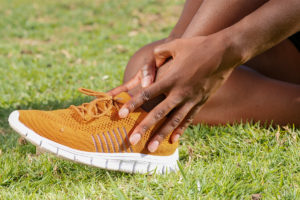
High Risk for Recreational Running Injuries
Roughly half of runners will experience recreational running injuries, regardless of age, gender or experience, according to research.
Read More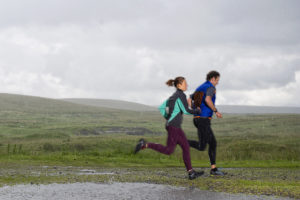
Running and Mental Health
“Running has important positive implications for mental health, particularly depression and anxiety disorders,” note authors of a comprehensive study.
Read More
Women Pace Better Than Men
Women pace themselves better than men when running marathons, according to an analysis of 10 years of marathon results on RunRepeat.com.
Read More
Muscle Cramps? Find Out Why
Muscle cramps can stop athletes in their tracks. Although they usually self-extinguish within seconds or minutes, the abrupt, harsh, involuntary muscle contractions can cause mild-to-severe agony and immobility, often accompanied by knotting of the affected muscle (Minetto et al. 2013). And cramps are common; 50%–60% of healthy people suffer muscle cramps during exercise, sleep or pregnancy or after vigorous physical exertion (Giuriato et al. 2018).
Read Moread placeholder
ad placeholder