

Continuing Education/Articles

Key Takeaways From the New Dietary Guidelines
The goal is to offer a framework on how to eat for better nutrition-related health, and the regular updates allow for adjustments and new recommendations.

Can Your Morning Brew Help You Live Longer?
Here’s some buzzworthy news about America’s favorite pick-me-up: Drinking two to five cups of coffee per day is linked to lower risk for some chronic disease.

A Fishy Solution to Airborne Pollution
If you reside in a busy city, it might be a good idea to make sure you reel in more of the omega-3 fats found in fish like salmon, mackerel and sardines.

Carbs and Type 2 Diabetes
Scientific evidence suggests that as long as you choose the right types of carbs, you can still enjoy that sandwich for blood sugar control for diabetes.
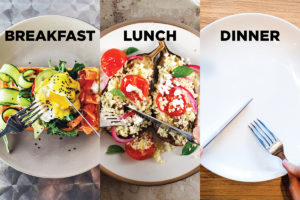
When to Fast?
While skipping meals can slash daily calorie intake, it can also reduce overall diet quality—especially if the meals you miss are breakfast and lunch.
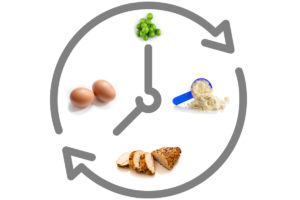
Protein Morning to Night
Two recent journal papers demonstrate why it’s important to consume protein-rich foods throughout the day to build and maintain muscle mass.

Early Fueling Wins the Race
Endurance athletes who want to go hard for longer should start taking their carbs early and often.

Home in the Kitchen
Stay-at-home orders haven’t been the only thing spurring on people to spend more time in food-related activities, according to the USDA.

People Are Souring on Sugar
It used to be fat, but now consumers are deciding on the healthfulness of a product based on its sugar levels, so says the latest research.

Is There a D-fence Against COVID-19?
More science is needed, but being deficient in vitamin D may make someone more likely to experience serious health complications if infected with COVID-19.

Moms-to-Be Can Still Go Fish
Findings published in JAMA Network Open should help expectant mothers to rest a bit easier the next time they troll for dinner at the fishmonger.

Fat on the Mind
Scientists concluded that eating a breakfast high in saturated fat was associated with reductions in attention span in the hours that followed.

Spacing Out on Flavor
Research postulates that distracted eating may play a role in the overeating that is contributing to the current obesity crisis.

Eating Breakfast May Protect Against Heart Problems
Adults who skip breakfast are 22% more likely to develop cardiovascular disease and 25% more likely to suffer premature mortality.

The Art and Science of Intermittent Fasting
Intermittent fasting (IF) can be defined as an eating pattern with periods of little to no energy intake interspersed with periods of normal energy intake, adhered to on a repeating basis.

Low-Fat Vs. Low-Carb Diets for Longer Life
Despite differences in macronutrient composition among diets, specific types of food appear to be the deciding factor in whether an eating style is healthy.

Time for an Oil Change
More and more, it appears that the broadcasted health benefits of coconut oil are based largely on a sales pitch instead of science.

Bad Sleep, Bad Diet
Below-par sleep habits can trigger below-par food choices, and the two together can equal a higher risk for conditions like heart disease and obesity.

Sweat More, Eat Less
A recent study from researchers at the Center for Weight, Eating, and Lifestyle Science has linked working out to helping people eat less, not more.
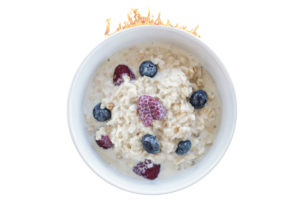
Rise and Dine . . . and Burn!
Here’s news that will please oatmeal lovers: Making time for a hearty morning meal may boost daily calorie burn, say German researchers.