

Wellness

Don’t Let Bad Moods Sabotage You
Anxious, fatigued, unhappy, uncertain? We’ve all been there, all known times when our emotional hot buttons take over. We swear to ourselves that this time we will overcome those emotions and stay committed to our goal, but when it doesn’t work, we react with indulgent self-gratification. “I had such a long day, and I just don’t feel like going to the gym today,” or “I’ve already fallen off the wagon, so I’ll just eat what I want and start again on Monday.”

Cook and Taste the World for Health
A few weeks ago, I purged my extensive collection of cookbooks to make way for new ones. Like the 30 or so I just weeded from the mix, the new books will be learned from, splattered upon and well-loved until I’ve extracted all of their goodness.
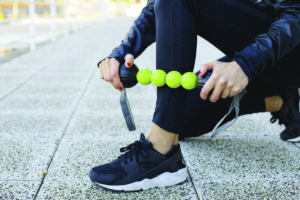
Self-Care Massage Tools for Recovery
As a fit pro, it’s helpful to use self-care massage tools for exercise recovery to prevent or treat pain or imbalances in the body.

Ask The RD: E. coli and Lettuce?
QUESTION: I keep hearing about people getting E. coli from lettuce. I thought E. coli came from beef. Can you explain what E. coli is and why lettuce is a problem?

Higher Vitamin D Levels Linked To Better Fitness
There’s another reason to make sure you’re getting enough of the sunshine vitamin: High levels of vitamin D in the blood are now linked with better fitness, according to research from the Virginia Commonwealth University School of Medicine. In the study, published in the European Journal of Preventive Cardiology, 20- to 49-year-olds with better vitamin D status also tended to have greater cardiorespiratory fitness, a measure of aerobic fitness often determined by measuring maximal oxygen consumption (VO2max) during exertion.

Body Image And Social Media
A recent study provides more evidence that body image suffers when young women view photos of attractive peers on social media.

Growth in Yoga and Meditation Practice
Americans continue to turn to yoga and meditation as leading ways to improve health, according to data from the National Health Interview Survey (NHIS). In 2017, yoga was the most commonly used complementary health approach, practiced by 14.3% of American adults (35.2 million). This represents an increase of almost 13 million practitioners since 2012. Meditation was the second most popular complementary health practice, used by 14.2% of adults. In growth, however, meditation outpaced yoga, with participation more than tripling from 2012 (4.1%).

BlogHer: Through My Lens
Health. When you hear that word, what comes to mind? What about when someone says, “I’m living a healthy lifestyle?” What does that mean to you? What does it mean to the world? Today, when celery cleanses and keto diets are all the rage, it appears the meaning of health is directly related to one’s waistline. However, “health,” as defined by the World Health Organization, is “a state of complete physical, mental and social well-being and not merely the absence of disease or infirmity” (WHO 2019).
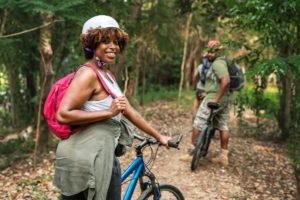
Can Exercise Improve Mental Health?
Exercise has proven benefits for improving physical health. But what about mental health? For starters, active people are nearly 45% less likely to have depressive symptoms than inactive people (Booth, Roberts & Laye 2012). But a deeper look at the connections between exercise and mental health raises complicated questions:
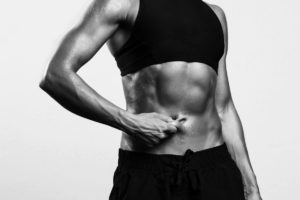
Muscle Mass as a New Vital Sign
Fitness professionals understand the importance of building and maintaining lean body mass for functional mobility and health. New research shows that medical professionals should also be promoting this message to their patients. “Muscle mass should be looked at as a new vital sign,” said principal investigator Carla Prado, PhD, RD, associate professor at the University of Alberta, Canada. “If healthcare professionals identify and treat low muscle mass, they can significantly improve their patients’ health outcomes.

Help Clients Adopt Healthy Nutrition and Behaviors
The IDEA World Nutrition and Behavior Change Summit was founded on the notion that information is important, but it’s less effective without the ability to help clients adapt it to their lives. Now, in its 4th year, the summit has become one of the most popular segments of IDEA World, with 2 full days of education and experiences featuring some of the top nutrition and behavior change experts.

Finding the Right Credential: Meeting Your Potential
As your clients resolve to shed bad habits and holiday pounds, you probably have a few personal goals of your own this year. Maybe you want to better help clients in the new year or advance your career. Maybe you want to start your own business or increase your earning potential.

Techniques for Mindful Recovery
High-intensity interval training has been all the rage for a while now, but participants are finally starting to recognize the benefits of recovery. During this restorative phase, the body repairs itself, which leads to optimal training improvements. The following class supports the recovery process by exploring mindfulness, relaxation and breathing techniques. It also addresses body awareness, muscle tension and myofascial trigger points. Make this a stand-alone 60-minute class or condense it to a 30- or 15-minute session.

Ditching the Diet Mentality
Did you know that dieting is ineffective at best and counterproductive at worse, with up to two-thirds of dieters regaining more weight than they lose (Mann et al. 2007)? Isn’t there a better way to eat healthfully?
One option is intuitive eating, which forgoes dieting and focuses on driving long-term improvements in your relationship with food. “Intuitive eating is the ability to read, interpret and follow your internal cues regarding the right amount of food for your body,” says Krista Scott-Dixon, PhD, curriculum director at Precision Nutrition.
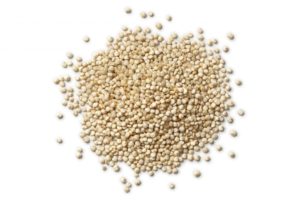
Feeling Blue? Eating More Fiber Could Help
Lifting your spirits might be as easy as adding more beans and other fiber-rich foods to your plate. A study published in the journal Nutrition in October 2018 found that people who reported eating the most fiber overall (including from cereal grains, vegetables and fruits) had fewer depressive symptoms. The data came from 16,807 American adults enrolled in the National Health and Nutrition Examination Survey (NHANES).

Exercise Is Good for Mental Health
STUDY REVIEWED: Chekroud, S.R., et al. 2018. Association between physical exercise and mental health in 1.2 million individuals in the USA between 2011 and 2015: A cross-sectional study. Lancet Psychiatry, 5 (9), 739–46.
Exercise has proven benefits for improving physical health. But what about mental health? For starters, active people are nearly 45% less likely to have depressive symptoms than inactive people (Booth, Roberts & Laye 2012). But a deeper look at the connections between exercise and mental health raises complicated questions:

Wonder Women
CLIENT: Kim Emery | PERSONAL TRAINER: Tanya Roark | LOCATION: Balance Health + Fitness, Sarasota, Florida
“She’s the real Wonder Woman,” says Tanya Roark, an ACE-certified personal trainer, speaking of her client Kim Emery, “one of the most amazing women you could ever meet.”
Dig a little, and you’ll find there are really two superheroes in this story—a client overcoming seemingly insurmountable odds and a trainer willing to power through to help that client reach her goals.

Mental Fatigue and Endurance Performance
New studies are providing growing evidence for how mental training and mindset relate to athletic performance.

Elevate Your Career and Live Your Passion
Your purpose as an impassioned personal trainer, manager and owner is to deliver life-changing fitness experiences for your clients. Education is the key driver to success. Here are five tips from fitness professionals.
1. Recovery is critical.

Nutrition Adherence: Making Lifestyle Changes That Stick
Research has shown that the best weight loss plan is the one people can stick with for the long term (Johnston et al. 2014). For some, that may be a low-carbohydrate, high-protein diet. For others, it may be a high-carbohydrate plan that’s low in saturated fat. Yet another group may need a complete macronutrient balance.