

Chronic Diseases

Heart Arrhythmias: An Exercise Professional’s Primer
The heart does remarkable work. Roughly the size of a human fist, the heart pumps blood every second of every day, delivering nutrients and oxygen to organs and tissues, and sending waste to filters in the kidneys, liver and lungs.
Yet not every heart works well. A healthy heart relies on a self-generating electrical signaling system to keep it pumping at the right pace; heart maladies that disrupt the signals can dramatically impact a client’s health. Collectively, we call these maladies heart arrhythmias.
High Cholesterol Riskier in Middle-Age for Men Than for Women
While keeping a healthy cholesterol profile is important for everyone, middle-aged men with high cholesterol have a greater risk of first-time heart attack than middle-aged women with the same condition, researchers reported.
The scientists observed Norwegian women (23,525) and men (20,725), all younger than 60 at baseline, for 12 years. They looked at cholesterol scores and noted any incidence of acute myocardial infarction (AMI), or heart attack, among the subjects.

Low Gut Bacteria Linked to Obesity, Inflammation
It’s often said that good health begins in the gut, an aphorism that is well supported by two studies published in the August 29 issue of Nature (2013; 500, 541-46). In short, individuals with low bacterial richness in their gut have more obesity and inflammation–and weight loss can improve the richness of their bacterial genes.

Skip the Juice, Eat Whole Fruits, to Avoid Type 2 Diabetes
It’s tempting to think you can get one of your daily fruit servings from a glass of juice, but skip the convenience of drinking it and instead eat the whole fruit, say Harvard School of Public Health (HSHP) researchers.
Exercise for Clients with Arthritis
For my clients who have arthritis, I make sure I maintain an open line of communication throughout our sessions. I always ask if certain exercises are bothersome or painful, and I make adjustments if necessary. Even though I choose exercises that won’t irritate the joints, I still ask about comfort levels.
American Medical Association: Obesity Is a Disease
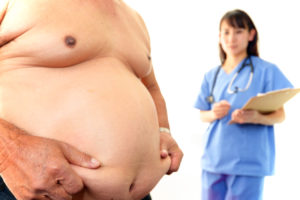
By now you’ve probably heard about the American Medical Association’s decision to classify obesity as a disease.
“Recognizing obesity as a disease will help change the way the medical commu-nity tackles this complex issue that affects approximately one in three Americans,” explained AMA board member Patrice Harris, MD, at the AMA annual meeting. “The AMA is committed to improving health outcomes and is working to reduce the incidence of cardiovascular disease and type 2 diabetes, which are often linked to obesity.”

Exercise and the Autism Population
There are many misconceptions around exercise for the autism population. There can be profound cognitive challenges, and some do not adapt easily to exercise regimens. But, for many on the autism spectrum, a carefully structured program and a patient, well-prepared trainer can help them become healthier and more fit.
All in the Family
Linda Pimentel, owner of Origins of Inner Strength Inc., in Mesquite, Texas, has made Pilates transformations a family affair. She frequently works with families, couples and mother-daughter teams. “I usually work individually at first, to establish boundaries,” she says. “For example, the mother needs to know that during our sessions she isn’t in charge, and the daughter doesn’t get to show off in front of mom.”
Insomnia Ups Heart Failure Risk
More bad news for individuals with sleep problems. Recent research suggests that insomniacs are at higher risk of heart failure than people who sleep peacefully.

Helping the Chronically Short of Breath
?Chronic obstructive pulmonary disease, or COPD, blocks the airways of the lungs, causing shortness of breath. Research shows that exercise can help people who suffer from COPD, so it’s a good idea for fitness professionals to understand the disease (ALA 2011).
COPD is the third leading cause of death in the United States: Approximately 12 million people are diagnosed with this incurable disease, and an estimated 12 million more may have it and not know it (NHLBI 2013). Chronic bronchitis and emphysema are the two major forms of COPD.

Circuit Training Helps Stroke Patients
According to a report from the British Medical Journal (2012; 344; doi: http://dx.doi.org/10.1136/bmj/e2672), 25%–74% of the world’s 50 million stroke survivors require assistance or are fully dependent on caregivers. To gain more physical independence, many seek help from physical therapists. That same report suggests circuit training can be a successful alternative to physical therapy.

Minimal-Intensity Exercise Best for Insulin Improvements?
?Hoping to improve their health, many people opt for vigorous styles of exercise. New research, however, suggests that minimal-intensity, longer-duration physical activity may be best for insulin action and plasma lipids.
The study, published in PLoS ONE (2013; 8 [2]; doi: 10.1371/journal.pone.0055542), included 18 apparently healthy subjects around 21 years of age. Each participant was randomly selected to follow one of three protocols.

The Biomechanics of Obesity
Anthony Carey, MA, CSCS, ACE-AHFP, owns Function First in San Diego, voted one of the city’s Best Personal Trainer/Studios in 2010 and 2011 and its Best Health & Fitness Club in 2012. Aside from being named 2009 PFP [Personal Fitness Professional] Trainer of the Year, he has written two best-selling books, The Pain-Free Program: A Proven Method to Relieve Back, Neck, Shoulder, and Joint Pain (Wiley 2005) and Relationships and Referrals: A Personal Trainer’s Guide to Doing Business with the Medical Community (CreateSpace 2012).

Study: Plant-Based Diets With Nuts and Virgin Olive Oil Can Reduce Heart Disease Risk By 30%
We already understand the many benefits of the Mediterranean diet, but a new study casts yet another convincing health vote in its favor.
A landmark global study shows that people who eat a plant-based Mediterranean diet supplemented with nuts or virgin olive oil may enjoy long-term benefits, including a 30% lower risk of cardiovascular disease.
How Can Exercise Help People Who Have Multiple Sclerosis?
?As a personal trainer, you may recognize this scenario:
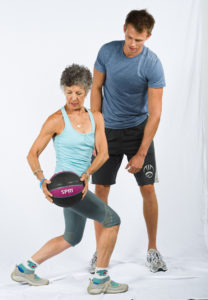
“Mary” is a fictional 30-year-old woman who was diagnosed with multiple sclerosis soon after her 21st birthday. She is often tired in the morning, even when she gets a full night’s worth of restful sleep, which is rare. The fatigue is unpredictable, gets worse throughout the day and tends to be triggered easily. Muscle spasms and weakness in her legs make it difficult for her to walk long distances.

Walking Helps Women, Not Men, Avoid Stroke
In last month’s issue, it was reported that only a small portion of the population walks for extended periods on a regular basis. According to researchers from Spain, women should take up the activity to reduce stroke potential.
Meet People Where They Are
Melinda Manore is a professor in the department of nutrition and exercise sciences at Oregon State University. Her areas of expertise include integration of nutrition and physical activity for weight management, and prevention of chronic disease. Aside from authoring more than 100 scientific publications, book chapters and review articles, Manore has written four nutrition textbooks and two books for the Institute of Medicine’s Committee on Military Nutrition Research. Throughout her career, she has served on a number of nutrition and exercise editorial boards.

Fast Foods and Pediatric Asthma, Rhinoconjunctivitis and Eczema
Researchers in New Zealand were curious whether fast food could increase or decrease the risk of developing asthma, rhinoconjunctivitis (itchy, watery eyes, with sneezing and nasal itching) and eczema (inflammatory reaction of the skin) for children and adolescents.
By looking at the prevalence of these three conditions in comparison with types and frequencies of food intake over a 12-month period, the study authors discovered two things of significance for public health policies:

Link Between Poor Diet and Depression in Women
Can a poor diet predict depression in women? Perhaps. The American Society for Nutrition just published the results of a long-term study of 4,215 people that examined whether or not dietary patterns were associated with future risk of depressive symptoms. Using the Alternative Healthy Eating Index (AHEI), self-reported use of antidepressants and the Center for Epidemiologic Studies Depression Scale as measurement tools, researchers found a correlation between recurrent depressive symptoms and a poor diet, but only for women, not men.