

Nutrition Science Articles

Protein Distribution vs. Total Intake
Debate continues regarding whether evenly distributing protein across meals improves muscle protein synthesis compared to consuming the majority at one sitting. Recent controlled trials indicate that while total daily protein…

Ultra-Processed Foods: Dose, Context, and Pattern
Ultra-processed food consumption continues to be associated with elevated cardiometabolic risk in large population studies. However, emerging analyses highlight dose-response relationships rather than binary categorization. Moderate inclusion within otherwise nutrient-dense…
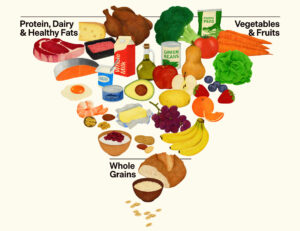
What the Updated Food Pyramid Means for Active Adults
Dietary guidance frameworks commonly referred to as the “food pyramid” have evolved repeatedly over the past several decades. While the original pyramid graphic has been replaced by newer models, the…

Protein Intake: Are we overcorrecting?
Protein has become one of the most emphasized nutrients in fitness and wellness conversations, often positioned as a universal solution for satiety, muscle preservation, and body composition. While research supports…

Fueling Participation: Nutrition Practices That Support Energy, Recovery, and Follow-Through
Nutrition is often framed around outcomes such as weight loss, body composition, or performance benchmarks. While these goals matter to many clients, they do not fully explain why people struggle…

Developing Metabolic Flexibility
Building metabolic flexibility doesn’t require extreme shifts or restrictive programs. Instead, it involves a thoughtful, progressive blend of nutritional variety, strength and movement habits, and practical meal timing that supports;…

A Healthier Holiday Season
For many clients, the holiday season is a combination of celebration, food-centered gatherings, and disrupted routines. As a fitness professional, you play an important role in helping people shift away…
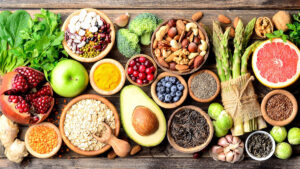
Fueling Your Mind to Fuel Your Body
In the world of fitness and performance, we often focus on fueling our bodies. But what about our brains? As science continues to uncover the profound connection between nutrition and…

Everyone is Talking about Creatine
Creatine is a naturally occurring nitrogen‑containing compound synthesized in the liver, kidneys, and pancreas from the amino acids glycine, arginine, and methionine. Approximately 95% of the body’s creatine and phosphocreatine…

The Conversation Around Intermittent Fasting Is Changing
If you’ve spent any time scrolling through health forums or chatting with friends about wellness trends, you’ve probably heard someone mention intermittent fasting (IF). For a while, it seemed like…

Fish: A Nutritional Powerhouse for Omega-3’s, Protein and More
Why Fish Deserves Its Place at the Center of the Plate Across cultures and centuries, fish has been celebrated as one of nature’s most nourishing foods. From the Mediterranean coast…

Fueling for the Finish Line
Why In-Race Nutrition Matters For anyone participating in long-distance endurance activities like marathons, triathlons, or extended cycling events, fueling during the event—commonly referred to as in-race or intra-workout nutrition—is critical…

Understanding Obesity Medications and the Role of Exercise
Obesity medications are a hot topic. But how does exercise play into their use and their effectiveness? Read on to find out!

The Art and Science of Intermittent Fasting
Intermittent fasting (IF) can be defined as an eating pattern with periods of little to no energy intake interspersed with periods of normal energy intake, adhered to on a repeating basis.

3 Benefits of Dairy for Workout Recovery
When most people think of dairy foods, they think of building strong bones. However, there are many nutrients in dairy foods that help support exercise recovery, such as protein for muscle repair and rebuilding, carbohydrates (in the form of lactose) for replenishment of glycogen stores, and fluids and electrolytes for restoring hydration. Plus, current research suggests that dairy foods and dairy protein ingredients (like casein and whey) can help improve body composition, strength, aerobic fitness and exercise performance.

Nutrition Misfires
Have you ever made a recommendation to a client, then discovered the client heard something completely different? Or she took part of what you suggested and ignored the rest? These can be chalked up as nutrition misfires.