

Chronic Diseases

Eat Strawberries & Blueberries to Cut Your Risk of Heart Attack
Three is the magic number. Women who eat three or more servings of blueberries and strawberries per week may reduce their risk of heart attack by one-third.

Exertional Rhabdomyolysis: When Too Much Exercise Becomes Dangerous
Rhabdomyolysis at a Glance
Definition. Muscle breakdown that leaks harmful proteins into the bloodstream. Causes. Crushing injuries; repetitive bouts of eccentric exercise, intense exercise or high-repetition exercise; blood restriction to tissues; some drugs. Threats. Renal failure, blood clotting, irregular heart rate.

Exploring Fibromyalgia: The Puzzling Pain-Fatigue Syndrome
They’re usually in pain, typically tired and often depressed. There’s no cure for their condition, but science has proven that exercise can be a huge help.

“Do any of your clients have type 2 diabetes? How do their workout regimes differ from those of apparently healthy clients?”
I’ve worked with many clients with type 2 diabetes, ranging in age from 30 to 85 years old. Even though age and ability are different in each case, the challenge remains the same: Develop a safe and effective program that will be vigorous enough to improve muscle strength and provide cardiovascular benefit without inducing complications from the diabetes.

Conquering the “Obesogenic” Environment
Barbara Brehm-Curtis is a professor of exercise and sport studies at Smith College in Northampton, Massachusetts, where she teaches courses in stress management, nutrition and health. Aside from writing about health- and fitness-related topics for more than 25 years, she has worked as a fitness instructor, personal trainer, lifestyle coach and fitness program director. She has received the San Diego County Medical Society Media Award and was a Maggie Award finalist for regular columns in Fitness Management, where she served as a contributing editor.
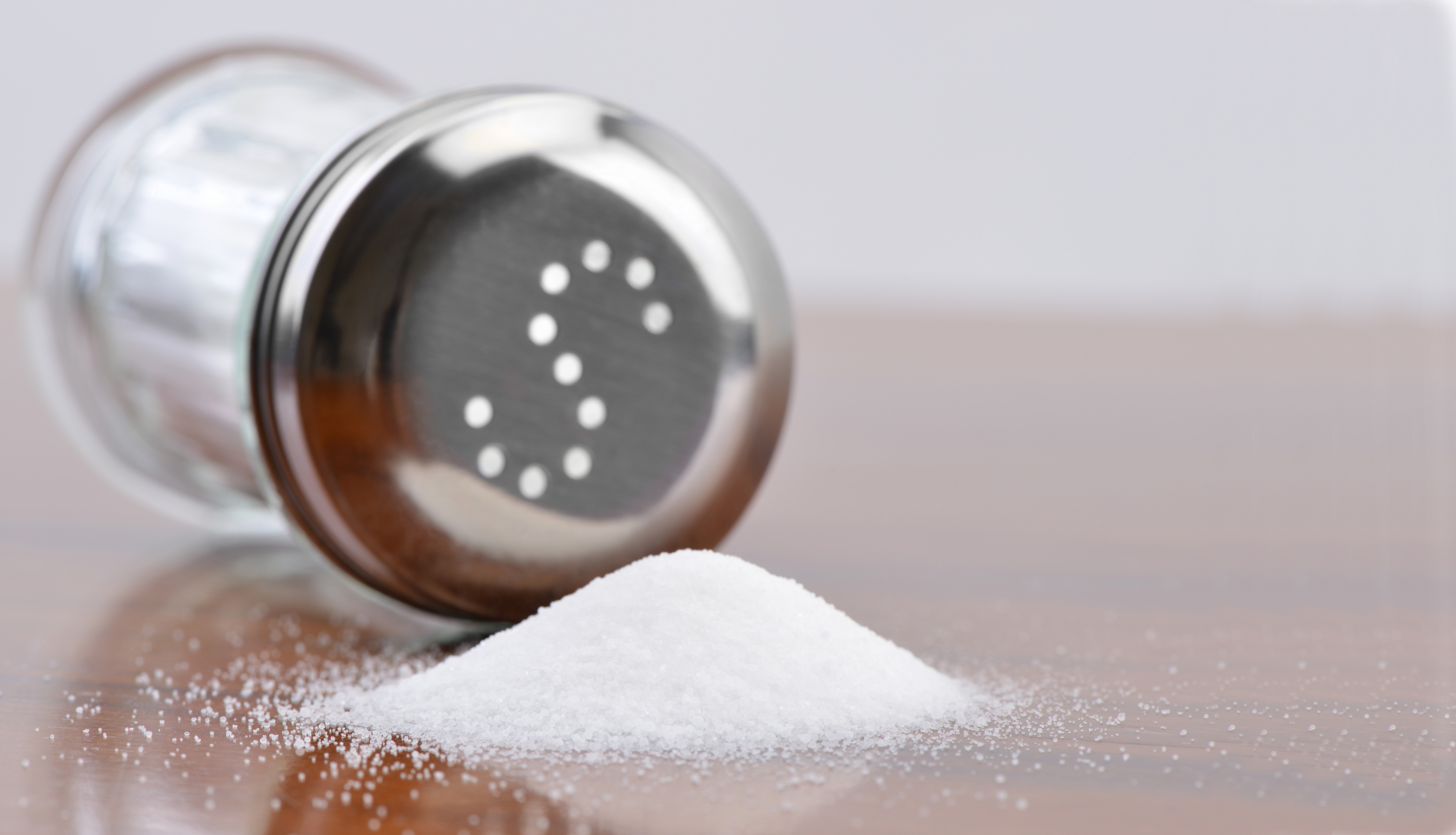
Salt & You
Widespread media coverage on the dangers of salt, and recent public-health efforts to reduce it in foods, seem to make salt the bad guy of nutrition. Is salt harmful for people who have hypertension, and can they still consume it? What about those without high blood pressure? And can you get too little salt in your diet?

Time to Eat Rye Crackers? Whole Grains and Prediabetes
More whole-grain good news, this time from Sweden. Over 5,500 Swedish residents tracked and measured their intake of whole and refined grains. Ten years later, those who ate more than 59 g (about 2 ounces) of whole grains per day were 27% less likely to becomeprediabetic than those who ate 30 g or less. \

2012 Shape of the Nation Report
With health threats from overweight and obesity still looming, physical activity in schools continues to be a hot button. How do U.S. children rank when it comes to physical education and exercise? Here are some highlights from the 2012 Shape of the Nation Report: Status of Physical Education in the USA:
14% of students did not participate in at least 60minutes of physical activity on any day during the 7 days before the survey.
71% of students were physically active at least 60 minutes per day on fewer than 7 days during the 7 days before the survey.

High-Fructose Corn Syrup and Type 2 Diabetes
According to a recent study by researchers from the University of Oxford and the University of Southern California, there is a correlation between frequent use of high-fructose corn syrup and higher rates of type 2 diabetes. The findings were published online in Global Public Health (doi:10.1080/17441692.2012.736257).
Analyzing data on HFCS availability in 42 countries, the researchers found an 8% rate of diabetes in countries where use of the sweetener is high versus a 6.7% rate in countries where it is not used.

Lift Weights, Avoid Metabolic Syndrome
Weight training has many benefits. Warding off metabolic syndrome may be one of them, suggests a recent study.
Part of the National Health and Nutrition Examination Survey, the study set out to determine (1) how many adults lift weights regularly and (2) the impact of weight training on the prevalence and risk of metabolic syndrome. The findings, reported in the Journal of Strength & Conditioning Research (2012; 26 [11], 3113–17), included data on 5,618 adults aged 20 and older from 1999–2004. Here are some takeaways:

Regular Exercise Improves Quality of Life in Stroke Patients
According to the National Stroke Association, stroke is the fourth leading cause of death in America and a leading cause of adult disability. A stroke can significantly impact quality of life and reduce functional capacity. However, research presented at the Canadian Stroke Congress in October suggests that stroke patients who engage in regular exercise can improve function.
Sitting Linked to Kidney Disease
In case your clients need more reason to get up every hour or so for a glass of water or a quick walk: Long sitting spells have now been linked to kidney disease.

“Crusty” Foods May Worsen Heart Problems for Diabetics
So you’ve perfected the art of searing meat with the type of caramelized crust that makes television chefs wax poetic. But, alas, according to recent research it turns out that the tasty layer of crust on your food and the beautiful brown bits in the bottom of the pan may worsen heart problems associated with diabetes.

Men Also Struggle With Binge Eating
Because of the wealth of research on eating disorders in women, people often mistakenly think of these illnesses as exclusively female problems. However, binge eating—defined as eating excessive amounts of calories over short periods of time and often in private (but without purging, as in bulimia)—is
a disorder that affects both men and women.
Alzheimer’s Disease: Type 3 Diabetes?
There is a growing and compelling body of evidence that Alzheimer’s and Type 2 diabetes are linked by a common factor: insulin resistance. Earlier this year, researchers at the University of Pittsburgh proved it for the first time.
Exercise Reduces Inflammation Long-Term
Inflammation, a protective mechanism designed to heal the body, has also been associated with disease development. Recently, a study discovered an inverse association between inflammation and long-term physical activity.
Published in Circulation (doi: 10.1161/circulationaha.112.103879), the 10-year study followed 4,289 men and women who were approximately 49 years old at the outset. “Self-reported physical activity and inflammatory markers (serum high-sensitivity C-reactive protein [CRP] and interleukin-6 [IL-6]) were measured at baseline and follow-up,” the authors explained.
Strength Training Reduces Type 2 Diabetes Risk
Here’s another great benefit to including strength training in your clients’ fitness programs. A study in the Archives of Internal Medicine (doi: 10.1001/archinternmed.2012.3138) has reported that men who regularly lift weights may reduce their risk of developing type 2 diabetes.
Diabetes Rates Expected to Soar
According to the American Diabetes Association, 25.8 million people in the United States have diabetes—8.3% of the total population. By 2025, says a study in Population Health Management (2012; 15, 1–7), that number will be dwarfed.

More Evidence That Physical Activity Lessens Cognitive Decline
New research, published in Neurology (2012; [78], 1323–29), adds to the growing evidence that physical activity can reduce cognitive decline and slow progression of Alzheimer’s disease. The significance of this…
Uniting the Industry: Transformation Stories
How can Pilates help clients make critical transitions in their lives? For this issue, we talked to Pilates instructors and their clients about how Pilates training has helped them through times of change.