


Shirley Eichenberger-Archer, JD, MA
Shirley Eichenberger-Archer, JD, MA
Article Archive

A study found that cardiovascular exercise increased the brain’s dopamine levels, resulting in better cognitive performance.

Fit pros working with older adults may using walking to screen for fracture risks and whether bone health should be prioritized.

Exercise, even at moderate levels, is linked with maintaining brain health and size and reducing dementia risks as people age.

Here’s more evidence to encourage clients to mix cardio and strength training in their program for health benefits.

Men who improved their cardiorespiratory fitness level over time were less likely to develop prostate cancer.

New research suggests that self-compassion increases a person’s self-control over exercise and eating behaviors.

Researchers reviewed studies on DOMS caused by eccentric contractions, noting instances when DOMS could be reduced.

Daily light physical activity among adolescents may prevent weight gain associated with major health risks in adulthood.

Generally speaking, fitness program directors and creators may want to brainstorm how to offer family focused fitness programs, or how to provide more robust child care.

New research adds evidence to support moving away from using the Body Mass Index (BMI) as a sole assessment tool to measure cardiometabolic disease risk and overall health.

Eight-weeks of Pilates mat training improved both fitness levels and body composition among mid-life woman, as reported in a study in the Journal of Bodywork and Movement Therapies

The largest review study of protocols for increasing muscle strength and size revealed that all variations of reps, weights and sets produced improvements in muscle strength and size when compared with no training.

Eight weeks of resistance exercise training consistent with current exercise guidelines led to clinically meaningful, large reductions in depressive symptoms among young adults.

Recent research findings show that moderate-intensity activity of as few as 20 minutes, 5 days per week, can lower risks of depressive symptoms and reduce the odds of experiencing major depression.

Three weeks of mental training among untrained exercisers improved endurance exercise performance by 10% over those that did not receive mental training, as reported in the European Journal of Applied Physiology.

Isometric exercises are especially effective at reducing resting blood pressure, according to a study reported in the British Journal of Sports Medicine.
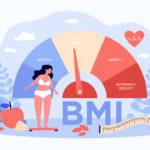
The American Medical Association adopted a policy to clarify the role of BMI as an assessment tool in medicine at the Annual Meeting held in Chicago from June 9 to 14, 2023.

Fitness pros appreciate music’s power to motivate clients to enjoy training and to work harder. Trainers and facility owners alike are challenged by how to select the right music to achieve the highest levels of client satisfaction.

Flu season is a good time to remind clients of the value of consistent exercise. A recent study based on data from a nationally representative sample of US adults showed that if a person meets the minimum training guidelines for physical activity and muscle strengthening, they may reduce their risk of death by almost 50% when compared with people who do not meet any exercise guidelines.

Short bursts of vigorous lifestyle activity up to a total of four to five minutes per day is linked with a significantly reduced risk of cancer, according to findings described in JAMA Oncology