


Sandy Todd Webster
Sandy Todd Webster
Article Archive

In a detailed and powerful examination of how dietary fat affects health, researchers from Harvard T.H. Chan School of Public Health have shown that consuming higher amounts of unsaturated fats is associated with lower mortality. The findings suggest that replacing saturated fats like butter, lard and fat in red meat with unsaturated fats from plant-based foods—like olive oil, canola oil and soybean oil—can confer substantial health benefits and should continue to be a key message in dietary recommendations.

In a detailed and powerful examination of how dietary fat affects health, researchers from Harvard T.H. Chan School of Public Health have shown that consuming higher amounts of unsaturated fats is associated with lower mortality. The findings suggest that replacing saturated fats like butter, lard and fat in red meat with unsaturated fats from plant-based foods—like olive oil, canola oil and soybean oil—can confer substantial health benefits and should continue to be a key message in dietary recommendations.

What is your best strategy for staying hydrated during the day? What do you tell clients about hydration? Share your story with swebster@ideafit.com .

Potatoes have been getting pushed to the side of the plate by carbohydrate-phobes for too long. When boiled, steamed or roasted, with a few herbs and spices added, spuds can pack a nutrient-dense wallop. One medium skin-on potato is an excellent source of vitamin C (providing 45% of the daily value). Potatoes are also the largest and most affordable source of potassium in the produce department (yes, more than bananas!); a good source of vitamin B6; naturally low in sodium and cholesterol; and fat-free and gluten-free—all for just 110 calories per serving.
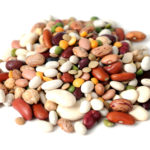
p>What did one pulse say to the other pulse?
“How you bean?”

For the third time in 5 years, the Western Publications Association has awarded the honor of best print supplement in the trade publishing category to the annual hard-copy special edition of IDEA Food and Nutrition Tips.
Last year’s edition, published as a supplement to the November–December issue of IDEA Fitness Journal, covered trends in U.S. snacking habits; facts on fiber and gut health; healthy food hacks from professionals; how to eat healthfully from a restaurant menu; and a healthy holiday-menu makeover.

A recent study from Lund University in Sweden shows that barley can rapidly improve health by reducing blood sugar levels and lowering the risk for diabetes. The secret lies in the special mixture of dietary fibers found in barley, which can also curb appetite and reduce the risk for cardiovascular disease, say researchers.

This month’s hacks come to us from Robert Irvine, chef and the host of Restaurant: Impossible, one of the Food Network’s highest-rated shows. He has also written two cookbooks, Mission: Cook! (HarperCollins 2007) and Impossible to Easy (William Morrow Cookbooks 2010), and one healthy-living book, Fit Fuel: A Chef’s Guide to Eating Well and Living Your Best Life (Irvine Products 2015).
Oil Change

Here’s a taste of what’s cooking in the nutrition world:

If you or your clients are poor hydrators, two new studies may convince you to dive in and figure out a way to keep your cells bathed. Since our bodies consist mostly of water, it stands to reason that maintaining homeostasis will keep them content—while failing to hydrate can make them deeply unhappy.

According to the World Health Organization, an estimated 350 million people of all ages suffer from depression, making it the leading cause of disability worldwide. It is also a major contributor to the overall global burden of disease.
Do you believe the DGAs should include environmental provisions for sustainable agriculture practices? Do you think government agencies should be involved in creating the Dietary Guidelines for Americans? If so, to what extent? If not, why not? If not the government, who should determine the DGAs? Share your story with swebster@ideafit.com .
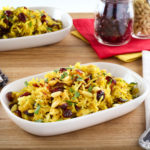
We have reported on FODMAPs in this column before, but this is the first low-FODMAP recipe we have published. FODMAPs are defined as foodstuffs that are fermentable and contain oligosaccharides, disaccharides, monosaccharides and polyols—components that contribute to digestive symptoms in people with irritable bowel syndrome.
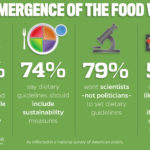
Most American adults responding to a recent survey believe the newly released
2015–2020 Dietary Guidelines missed a prime opportunity to enact mindful environmental provisions that would have supported sustainable agriculture. Although the Dietary Guidelines Advisory Committee specifically recommended such provisions, the U.S. Department of Agriculture and the U.S. Department of Health and Human Services conspicuously omitted the guidance in the final version.

Women who eat more high-fiber foods during adolescence and young adulthood—especially lots of fruits and vegetables—may have significantly lower breast cancer risk than those who eat less dietary fiber when young, according to a large-scale study led by researchers at Harvard T.H. Chan School of Public Health.

his month’s hacks come to us from Christopher Mohr, PhD, RD, an IDEA expert author and presenter who also serves as a consulting sports nutritionist for the Cincinnati Bengals and an expert contributor for Reebok ONE.
Winner, Winner Chicken Dinner
I like to pick up a rotisserie chicken at the store as a quick, ready-to-eat source of protein. I’ll slice it onto a green salad, use it as the base for a pasta dish or make a healthy chicken salad for lunch.
TV Dinner Redux

Here’s a taste of what’s cooking in the nutrition world:

We’ve all heard that we eat first with our eyes. Our senses of smell, taste and touch are also significant players in our eating experience. But what about hearing? The least noted of our senses in culinary science is now being scrutinized as scientists explore the “crunch effect,” or how the sounds of eating impact the amount of food we consume. It turns out that the more aware we are of our food mastication sounds—the crunching, the chomping, the slurping—the less we are apt to eat.

If you love eggs but have shunned them because of concerns about dietary cholesterol, it’s time to reassess and get cracking.

Here’s more proof that you don’t need to dish out your hard-earned cash for energy bars designed in factories when making your own inspiring version is easy, even for the culinary challenged. Not just for the birds, millet is an inexpensive gluten-free grain that gives these bars great texture and nutritional firepower. This recipe is excerpted from the new book, Rocket Fuel: Power-Packed Food for Sports and Adventure (VeloPress 2016), by James Beard Award-winning author and regular IDEA contributor Matthew Kadey, MS, RD.