

Patricia Ryan, MS
Patricia Ryan, MS
Article Archive

You can help yourself and clients avoid becoming victims of identity theft by making cybersecurity a routine part of your work.

Outsmart the scammers with these risk management tools and techniques that will help you improve your cybersecurity.

During the COVID-19 pandemic, the fitness industry experienced business closures and job losses, which raises the question: How essential is fitness?

Visiting social media outlets is a daily ritual for many. Among the online platforms, Facebook reigns with almost 2.5 billion active users every month. A research team turned to Facebook users to discover how social media influences eating habits.

How many times during a week do clients tell you they want to lose weight or talk about what they are doing to change their body weight? Among 48,026 U.S. residents over the age of 20 who answered the National Health and Nutrition Examination Survey in 2015–2016, 42% responding said they were actively trying to lose weight.
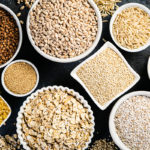
The average American Heart Association healthy-diet score for U.S. adults improved between 2003–2004 and 2015–2016, according to the AHA Statistical Update 2020. Two scales were used to measure diet quality. On one of them, scores for a poor diet decreased from 56% to 47.8%; on the second, poor diet prevalence dropped from 43.7% to 36.4%.

When it’s likely that you are going to live into your 80s and 90s, isn’t it a good idea to work toward a healthy life span? Five lifestyle choices—the ones fitness professionals regularly recommend—may help you do it, according to a new analysis published online in the BMJ.
In this prospective cohort study, 73,196 women in the Nurses’ Health Study (34 years of data) and 38,366 men in the Health Professionals Follow-Up Study (28 years of data) reported their adherence to the Alternate Healthy Eating Index; how often they engaged in moderate-to-vigorous exercise for at least 30 minutes per day; whether they maintained a body mass index of 18.5–24.9 kg/m2; whether their alcohol intake was moderate (up to one serving per day for women and up to two for men); and whether they smoked.
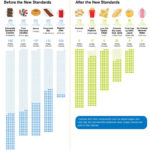
Back in 2013, the U.S. Department of Agriculture released the Smart Snacks in School standards, which aimed to reduce fat and sugar in students’ diets by encouraging schools to provide healthier snacking choices like whole grains, low-fat dairy, fruits, vegetables and leaner protein. The standards were put in place after research indicated that schools which offered foods and beverages containing solid fats and added sugars were helping to add “empty calories” to youngsters’ diets. Consuming empty calories can increase overall energy intake, leading to overweight and other health conditions.
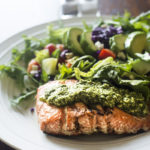
Among 250 healthy, overweight adults participating in a randomized controlled study, more than half (55%) went for IF (restricting intake 2 days a week), while 27% chose the Mediterranean diet (emphasizing whole grains, fruit and vegetables), and 18% opted to go Paleo (modified to allow some legumes and dairy). Participants also chose whether to try high-intensity interval training or a standard exercise regimen. After a brief educational session on their chosen diet, they completed assessments of their food intake, biometric measures and physical activity; these assessments were repeated at intervals.

There’s another good reason to help children maintain their physical activity. In a Finnish study, being more physically active in youth was linked to greater fruit and vegetable consumption during adulthood.

A meatless burger seems like such a good idea: a nice round of plant-based protein that fits in a bun with favorite toppings. But the manufacturing process that produces that burger may diminish the possible health benefits, observes nutritionist Katherine Zeratsky, RD, LD, speaking for the Mayo Clinic News Network.

Demonstrating how to cook healthier foods was an effective way to teach kids about nutrition, found a study of 125 children, ages 10–12 years, who watched cooking shows in the classroom. For comparison, one group of the children watched video clips of a program showing how to cook healthier foods while another group watched the same show featuring unhealthy foods. Afterwards the children were offered a snack.
A new report in Nutrition Journal reveals that dispositional optimism—expecting that more positive things will happen in the future—may lead to better food choices. At baseline and every 6 months, 19,335 volunteers participating in France’s NutriNet-Santé study completed at least three online 24-hour diet records (2014–2018).

It’s rewarding to see that some people are searching reliable sources of nutrition information rather than blindly following the fads and opinions littering the online world. The American Society for Nutrition, which publishes four peer-reviewed journals, released a list of ASN articles that received significant press coverage and sharing on social media (some had well over 1,000 tweets).
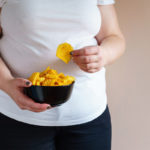
What do residents of the United States have in abundance? In supermarkets and food outlets, Americans have easy access to ultraprocessed foods prepared using industrial techniques; for example, soft drinks and candies, powdered instant soups or noodles, various “nuggets” and pre-prepared meat, and pizza dishes.

Mobile phones are a cozy home for apps with a range of functions, from calling for a ride to recording diet and exercise histories.

People who are fond of adding hot chili peppers to their stews and sauces may be adding to their heart health. Among 22,811 women and men living in southern Italy, 24.3% regularly ate chili peppers four or more times a week. These peppers are part of the Mediterranean diet.

You’re passionate about the value of fitness in a wellness lifestyle. You’ve educated yourself on exercise science and leadership. Perhaps your training is in yoga, Pilates, tai chi or another approach. Now you’re ready to help others gain the benefits of your knowledge. It’s time to get to work.

The people who seek the services of fitness businesses approach with a variety of goals and physical capabilities. A person can fulfill multiple “types” by being, for example, an amateur athlete, apparently healthy, with a chronic injury. A person with physical disabilitie…

The number of participants in group exercise and in Pilates or y…