

...
...
Article Archive

A study led by the Yale School of Public Health has found that middle-school students who drink heavily sweetened energy drinks have a 66% higher risk for hyperactivity and inattention symptoms.
From 12 out of 27 randomly selected district schools, 1,649 students in Connecticut completed health behavior surveys that included a five-item hyperactivity/inattention subscale.

What is your experience or opinion of energy drinks for middle- and high-school students? Are you a fan or foe of them for yourself, and why?

U.S. News & World Report has been ranking diets for 5 years. For all 5, the top spot for best overall plan has gone to the DASH diet, which is based on whole grains, vegetables and low-fat dairy. Developed as a way to lower blood pressure without medication, it was also chosen by a panel of health experts as the top diabetes diet and the best healthy-eating plan.
“It’s good for your waistline, in addition to your high blood pressure, because it is such a common-sense, balanced diet,” said Angela Haupt, senior health and wellness editor at U.S. News & World Report.

Yale medical researchers David Katz and Samuel Meller’s declaration in 2013 that a “diet of minimally processed foods close to nature, predominantly plants, is decisively associated with health promotion and disease prevention” may have been the camel’s proverbial straw when it comes to consumer food spending.
According to a February article in Mother Jones magazine, “Big Food” is falling on hard times. For example, Conagra slashed its 2015 profit projections and fired its CEO, while other large brands reported similar moves.

The next time you bite into your favorite bar of dark chocolate, you may be lowering your risk for type 2 diabetes. A report just out in the American Journal of Clinical Nutrition (2015; doi: 10.3945/ajcn.114.092221) supports what many want to be true— chocolate, especially dark,
may be a healthy indulgence.
The American Heart Association has already suggested that daily chocolate intake may lower blood pressure and improve blood sugar, and this is just one more study supporting that position.

When Gray Cook was a high-school athlete, his coaches would comment, “That Gray Cook sure can play hurt.” He had over 20 fractures before he was 18, what with his love of football and motorcycles. He played while hurt, he says, because he had the ability to block out pain. Flash forward to 2014, and Cook—now a practicing physical therapist, certified orthopedic specialist and founder of Functional Movement Systems in Chatham, Virginia—was no longer able to block out neck pain. It was affecting his life, his work, and his ability to share his message of fitness and health.

Spotted the other day at the grocery store: 100% all-natural, non-GMO, vegan, gluten-free cactus water.

If you’re not already harnessing the power of fitness technology to run your personal training business and make a difference in the lives of your clients, you should be. Why? Because smartphones, wearable technology, mobile fitness apps and fitness websites have the potential to revolutionize the work of personal trainers—freeing up more one-on-one time with…

Based on wisdom gleaned from experience (sometimes the hard way), a few veterans share their thoughts on how new pros can safeguard self-care early on in their careers.
Like others who pursue helping careers, those of us who are trainers and instructors are professional givers, and the issues that affect this group are unique, varied, and sometimes even detrimental to our own health. lack of self-care has many consequences. This list of the challenges that fitness pros may encounter was derived from our experts’ own experiences.
Possible Adverse Outcomes:

At the age of 40, Seattle-based France Marien, certified instructor and creator of the Remix Workout® app, was taken by ambulance to the hospital, complaining of chest pain. Coming from a family with a history of heart disease, Marien was very frightened and underwent a battery of tests. “The conclusion was quite simple,” she says. “I need to take care of myself. I was stressed out. I had to stop saying yes to everything.”
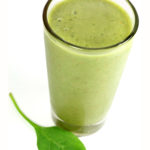
This juice recipe is terrific for mornings when you feel sluggish. Very smooth and slightly sweet, it also makes a great afternoon snack if you have a sugar craving. Rinse the greens; chop the cucumber and pear in halves; and peel the lemon. If you have a Vitamix® or similar high-power blender, toss in all…
Preadolescence is a time of major change and growth, bringing psychological, physical and social shifts for boys and girls alike. Caught between the carefree days of childhood and the first throes of being a teenager, “tweens” (roughly aged 9–12) are a force to be reckoned with. Like many other populations, preadolescents are suffering from lack of exercise, which threatens to chart a course toward obesity and disease.
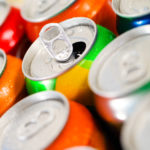
The type of sugar in your beverage could affect whether or not you feel hungry after drinking it. In a study published in the Journal of the American Medical Association, researchers determined that fructose and glucose are processed differently in the brain. Both are simple sugars, yet fructose did not cause participants to feel full,…
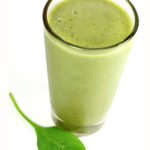
This juice recipe is terrific for mornings when you feel sluggish. Very smooth and slightly sweet, it also makes a great afternoon snack if you have a sugar craving. Rinse the greens; chop the cucumber and pear in halves; and peel the lemon. If you have a Vitamix® or similar high-power blender, toss in all the ingredients and purée them. You’ll get a lovely, frothy, delicious juice with a beautiful bright-green hue. Add a few ice cubes if you wish.

The American College of Obstetricians and Gynecologists has come out with recommendations for weight gain during pregnancy based on the mother’s body mass index and on updated tables from the Institute of Medicine. For overweight women with a BMI of 25–29.9, ACOG recommends a total weight gain of 15–25 pounds. For obese women (BMI 30…

When they don’t get enough sleep, women feel less full and men have a bigger appetite, according to a recent issue of the journal SLEEP. Twenty-seven normal-weight men and women (aged 30–45) were studied under short-sleep (4 hours) and habitual-sleep (9 hours) conditions. After a short night’s sleep, fasting blood samples indicated that fasting and morning ghrelin levels rose in men, while afternoon GLP-1 (glucagon-like peptide) levels fell in women. Sleep duration had no effect on insulin, glucose and leptin profiles.

Researchers in New Zealand were curious whether fast food could increase or decrease the risk of developing asthma, rhinoconjunctivitis (itchy, watery eyes, with sneezing and nasal itching) and eczema (inflammatory reaction of the skin) for children and adolescents.
By looking at the prevalence of these three conditions in comparison with types and frequencies of food intake over a 12-month period, the study authors discovered two things of significance for public health policies:

Public health attorney Michele Simon recently published an explosive indictment of the links between the Academy of Nutrition and Dietetics—the largest association of nutrition professionals in the U.S.—and the food industry. In the report, titled “And Now a Word From Our Sponsors: Are America’s Nutrition Professionals in the Pocket of Big Food?,” Simon questions the influence and relationship that many leading food corporations have with the association’s 74,000 members.

Can a poor diet predict depression in women? Perhaps. The American Society for Nutrition just published the results of a long-term study of 4,215 people that examined whether or not dietary patterns were associated with future risk of depressive symptoms. Using the Alternative Healthy Eating Index (AHEI), self-reported use of antidepressants and the Center for Epidemiologic Studies Depression Scale as measurement tools, researchers found a correlation between recurrent depressive symptoms and a poor diet, but only for women, not men.