Comfort Food Can Be Part of Healthy Eating

As the weather turns cooler, many of us naturally begin craving the foods that remind us of home. A warm bowl of soup after a chilly walk, homemade chili on a football Sunday, or roasted vegetables fresh from the oven can bring a sense of comfort that salads and smoothies simply can’t match. Unfortunately, comfort food sometimes gets a bad reputation, leaving people feeling as though they have to choose between enjoying their favorite seasonal meals and eating healthy. The truth is, those two goals can go hand in hand.
Comfort food is about more than satisfying hunger. It’s deeply connected to memories, traditions, and emotions. Certain recipes remind us of family gatherings, holiday celebrations, or meals shared with loved ones. There’s nothing unhealthy about enjoying foods that bring comfort and joy. In fact, allowing room for favorite meals can make healthy eating feel more sustainable because it removes the pressure of trying to eat “perfectly.” A healthy lifestyle isn’t built by avoiding the foods you love. It’s built by creating balance over time.
Fall also happens to be one of the best seasons for nutritious comfort foods. Grocery stores and farmers markets are filled with seasonal produce like squash, pumpkins, sweet potatoes, apples, Brussels sprouts, carrots, and cauliflower. These ingredients are packed with vitamins, minerals, fiber, and antioxidants while naturally adding flavor and color to meals. Roasting vegetables caramelizes their natural sugars, creating rich flavors without the need for heavy sauces or excessive butter. Seasonal fruits can also satisfy a sweet tooth while providing nutrients that support overall health.
One of the easiest ways to make comfort food more nourishing is by thinking about balance rather than restriction. Instead of removing favorite ingredients, consider what you can add. A creamy pasta dish becomes more satisfying with broccoli, spinach, or mushrooms mixed in. Chili can be loaded with beans, tomatoes, peppers, onions, and lean ground turkey or beef. Shepherd’s pie becomes even more nutritious when topped with mashed sweet potatoes instead of relying solely on white potatoes. These simple additions increase fiber, vitamins, and protein while preserving the flavors that make these meals so enjoyable.
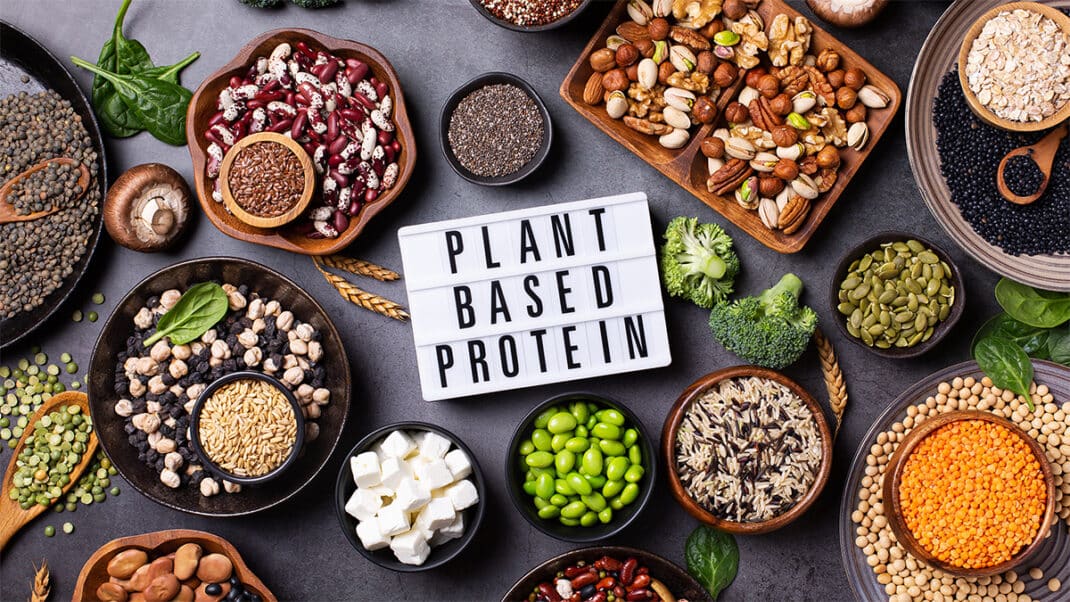
Soups and stews are another perfect example of comfort food that can easily support healthy eating goals. Homemade soups often combine vegetables, beans, lean proteins, and whole grains into one satisfying meal. They are filling, budget-friendly, and easy to prepare in large batches for leftovers throughout the week. A pot of vegetable soup, turkey chili, or lentil stew can provide several nutritious meals while making healthy choices more convenient on busy evenings.
Mindful eating is another way to enjoy comfort foods without guilt. It’s easy to rush through meals while watching television or scrolling on your phone, barely noticing what you’ve eaten. Instead, slow down and enjoy the experience. Notice the aromas, flavors, and textures of your meal. Eat until you’re comfortably satisfied rather than overly full. When you truly enjoy the foods you love, you’re often less likely to feel the need to overindulge because the experience itself becomes more satisfying.
It’s also helpful to let go of the idea that foods are either “good” or “bad.” Labeling certain meals as off-limits often makes them even more tempting and can lead to cycles of restriction followed by overeating. A healthier approach is recognizing that all foods can fit into an overall balanced eating pattern. Most of your meals may emphasize vegetables, whole grains, lean proteins, and healthy fats, while there’s still plenty of room for homemade macaroni and cheese, apple crisp, or your favorite family casserole. Healthy eating is defined by what you do consistently, not by a single meal or dessert.
As autumn settles in, embrace the flavors of the season without feeling guilty. Fill your kitchen with hearty soups, roasted vegetables, whole grains, and seasonal produce. Share meals with family and friends, savor favorite recipes, and remember that food nourishes more than just the body. Comfort food can support emotional well-being, strengthen relationships, and become part of a healthy lifestyle when enjoyed with balance and intention. Healthy eating isn’t about giving up the foods that make you feel at home. It’s about learning to enjoy them as part of a lifestyle you can maintain all year long.